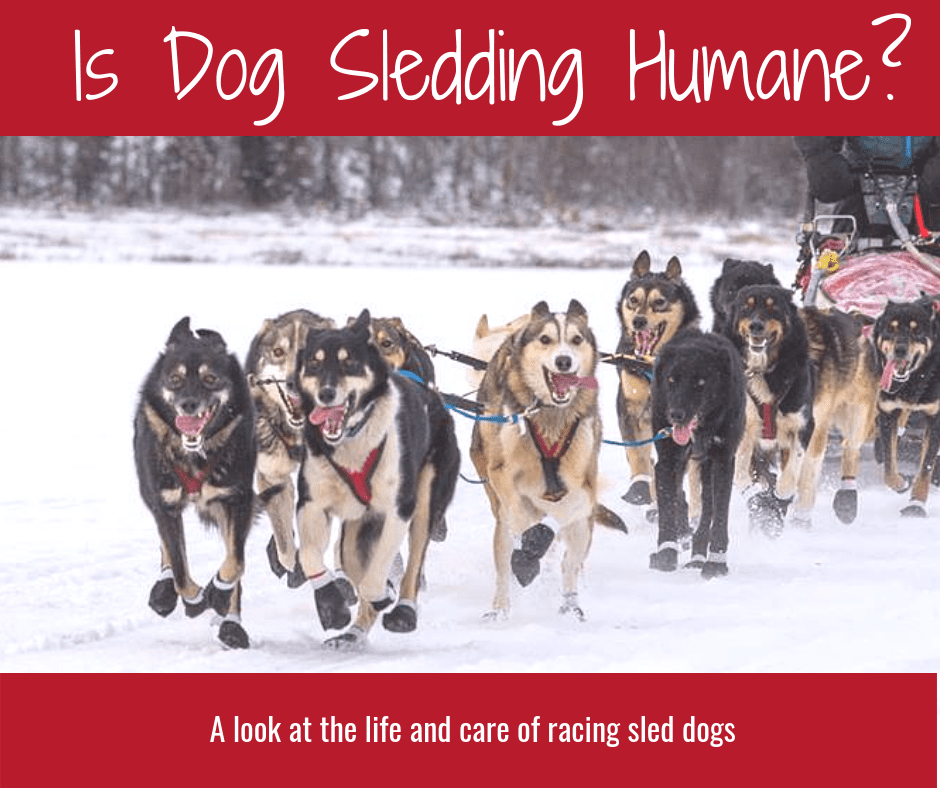
Dog sledding is humane when it is practiced by experienced mushers who consistently meet the physical and mental needs of their dogs.
Over the past mushing season, we’ve received a high volume of questions about sled dogs—whether they enjoy running, how they are cared for, and what happens as they approach retirement. At its core, people are asking a simple question: Is dog sledding humane?
We welcome these questions.
They reflect a genuine interest in understanding how sled dogs live and work, and they create an opportunity to share clear, experience-based insight into our care practices. As professional mushers, our priority is straightforward: every dog in our kennel should be healthy, engaged, and well cared for.
When people seek out information directly from those who work with these dogs every day, it leads to a more accurate and informed understanding of the sport.
Mushers Take a Proactive Approach to Dog Care
Mushers approach dog care with a preventative mindset. Rather than responding to problems after they arise, experienced kennels build systems designed to reduce risk from the start.
Training is progressive and intentional, designed to strengthen dogs without overloading them. Rest is treated as a critical component of performance, not an afterthought. Nutrition, conditioning, and daily observation all work together to support long-term health.
Because sled dogs operate at a high level of physical output, small details matter. Subtle changes are addressed early, before they develop into larger concerns. This proactive approach allows teams to maintain both performance and well-being across an entire season—and often across many years of a dog’s career.
Sled Dogs Are Not Forced To Run
Sled dogs are not forced to run. A dog that doesn’t want to run does not stay on a team.
These dogs run because they are bred to. The drive to move and pull is inherent. In practice, the challenge is rarely getting dogs to go—it’s managing their energy and desire to run.
If a dog shows disinterest, it is moved into a more suitable role or home. During races, any dog that becomes fatigued or unfit to continue is removed from the team and cared for by veterinarians.
Mushing depends on willing athletes. Forcing a dog to run would be ineffective and runs counter to how good dog care is practiced.
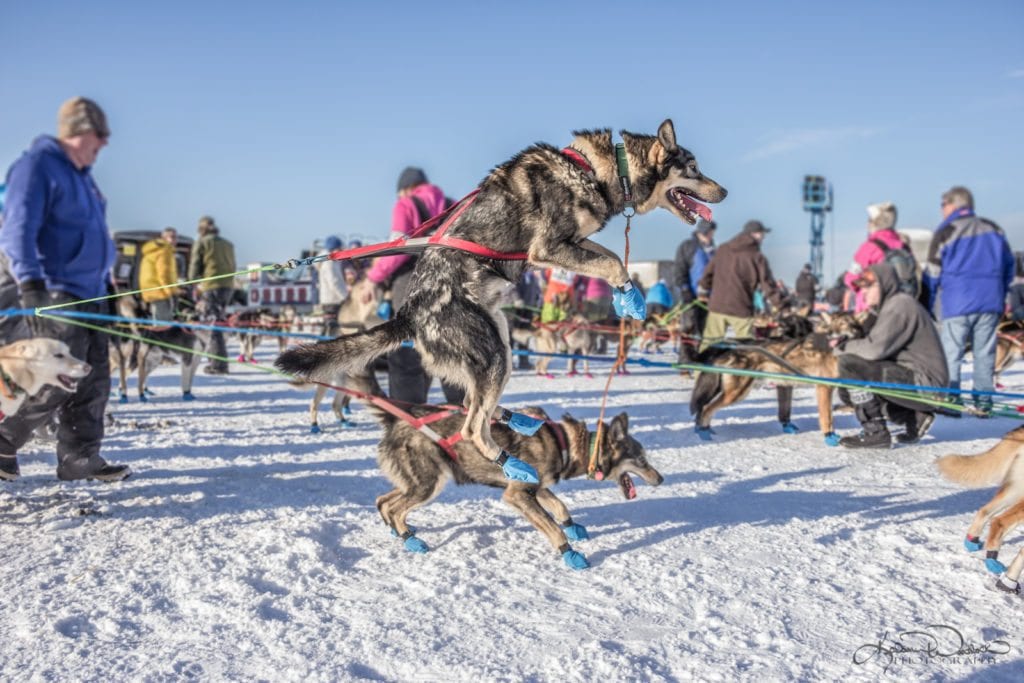
Sled Dogs Who Can’t Run Are Sent Home
During races, teams often finish with fewer dogs than they started with—and that’s a good thing.
As the race progresses, mushers continually evaluate each dog. If a dog becomes fatigued, develops a minor issue, or is no longer moving at its best, it is removed from the team and left in the care of veterinarians. This process, known as “dropping a dog,” ensures that each dog is managed as an individual athlete.
Strong teams are not defined by how many dogs finish, but by how well each dog is cared for along the way.
No dog is ever made to continue if it is unwilling or unable.
Sled Dogs Are Bred To Be Runners
Sled dogs are purpose-bred endurance athletes. Over generations, mushers have selectively bred their best dogs to their best dogs, developing animals with the physical and mental traits required for long-distance travel.
The drive to run is instinctive. Just as herding dogs will herd without training, sled dogs possess a natural desire to move and pull — regardless of whether that energy is formally directed into mushing.
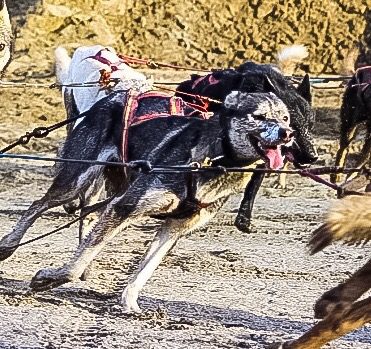
Their ability to cover long distances is rooted in biology. Sled dogs are built for efficiency, with long legs, strong cardiovascular systems, and a unique metabolism that allows them to sustain prolonged effort. With proper conditioning, they are capable of running well over 100 miles in a day, and repeating that effort across consecutive days.
Training is structured and progressive. Runs vary depending on the time of year, and are carefully planned to build endurance while maintaining health. Just as important as the work itself are rest and recovery days, which allow dogs to adapt and remain sound over time.
These capabilities are specific to sled dogs. They are not typical of other breeds and are the result of both genetics and careful management.
Sled Dogs Have Bodies Built For Running
Sled dogs are built for endurance. Compared to the average pet dog, they have longer legs for greater stride efficiency and cardiovascular systems capable of sustaining prolonged effort.
They also possess a unique metabolism that allows them to perform day after day. As training progresses, sled dogs adapt to utilize energy efficiently, drawing from what they consume rather than rapidly depleting internal reserves. This is a key factor in their ability to compete in long-distance races like the Iditarod and Yukon Quest.
Young dogs typically begin running in harness between 8 and 10 months of age. The instinct to run is immediate. Early training focuses instead on structure—how to move within the team, manage the lines, and travel efficiently alongside other dogs.
Do Sled Dogs Enjoy Running?
So, do sled dogs enjoy dog sledding?
Yes—and that enjoyment is rooted in both who they are and how they are cared for.
Sled dogs are bred to run, but breeding alone is not enough. Their well-being depends on consistent training, proper nutrition, thoughtful management, and a willingness to make decisions in each dog’s best interest.
When those pieces are in place, sled dogs are not being pushed to do something unnatural—they are doing exactly what they are built and motivated to do.
Why Are Sled Dogs Tied Up?
nce people understand how much sled dogs are driven to run, the next question is usually about how they live—especially why they are tethered.
It’s a fair question, and one that deserves context.
Tethering is an effective and widely used method of managing sled dogs in working kennels. Given the level of daily exercise these dogs receive, their time at their houses is primarily for rest and recovery—much like an athlete returning to a dedicated space to reset.
Tethering provides each dog with individual space while still allowing controlled social interaction with neighboring dogs. It reduces the risk of injury, allows for close monitoring, and creates a consistent, manageable system for feeding, cleaning, and daily care.
Compared to group pens, tethering often offers more usable space per dog and better aligns with how sled dogs are trained and managed.
Importantly, tethering is just one part of a broader routine. Dogs spend significant time off their setups—running, training, and interacting—ensuring they receive both physical exercise and social engagement.
What Are The Living Conditions of Sled Dogs?
Each dog in our kennel has its own designated shelter. We use wooden dog houses built for durability, though plastic barrel houses are also common in mushing.
While different in appearance, both options provide effective shelter. In practice, dogs show little preference. The priority is not aesthetics, but providing durable, weather-appropriate housing that supports comfort and recovery.
Sled Dogs Are Well Adapted To The Cold
During winter, straw is added to each dog house to provide insulation and warmth. It is changed regularly to ensure bedding remains clean and dry.
Sled dogs are well adapted to cold environments. As a northern breed, it is not uncommon for them to rest outside—even in snow or rain—rather than use their houses. As temperatures rise, many dogs will remove straw themselves, regulating their own comfort.
Maintaining a clean, well-managed environment is a core part of kennel care. Gravel is used to support drainage and sanitation, and the kennel is cleaned at least once daily, often more. This level of consistency reflects the amount of time spent actively monitoring and caring for the dogs.
Sled Dogs Receive Routine Vaccinations and De-Wormings
As part of our basic care, we follow a routine deworming and vaccination schedule for all of our sled dogs. We also work with several different vets to provide the highest possible standard of care for our dogs. You can learn more about our sled dog care program here. You can read more in-depth articles on our sled dog care at our kennel as well as sled dog care while on the trail.
Sled Dogs Receive Plenty of Exercise
Routine exercise is essential to the health and well-being of sled dogs. Because these dogs are highly active by nature, it is our responsibility to ensure they receive consistent, structured opportunities to run and work.
Just as important as exercise is rest. Training programs are designed with built-in recovery, allowing dogs time to reset and maintain long-term soundness. This balance between work and recovery is fundamental to keeping sled dogs healthy and engaged.
Are Sled Dog Races Good For Sled Dogs?
When managed responsibly, racing can be a positive and meaningful part of a sled dog’s life.
It gives structure and purpose to a season of training and allows dogs to apply what they’ve built over time. You can see their engagement at the start line—the focus, the anticipation, the energy of being surrounded by other teams.
Racing aligns with what these dogs are bred and driven to do: run, work, and move forward as part of a team.
All Racing Sled Dogs Undergo Health Checks Performed by Veterinarians
Racing also introduces additional layers of care and accountability.
Dogs must be up to date on vaccinations and undergo pre-race veterinary exams. In events like the Iditarod, this includes ECGs and bloodwork screening to ensure dogs are fit to compete.
Veterinarians are stationed along the trail and evaluate dogs at checkpoints. Mushers are required to maintain a dog team diary, which allows vets to communicate observations across checkpoints and track each dog’s condition throughout the race. When we race the Iditarod, our dogs undergo pre-race ECGs and bloodwork screening to help ensure they are healthy.
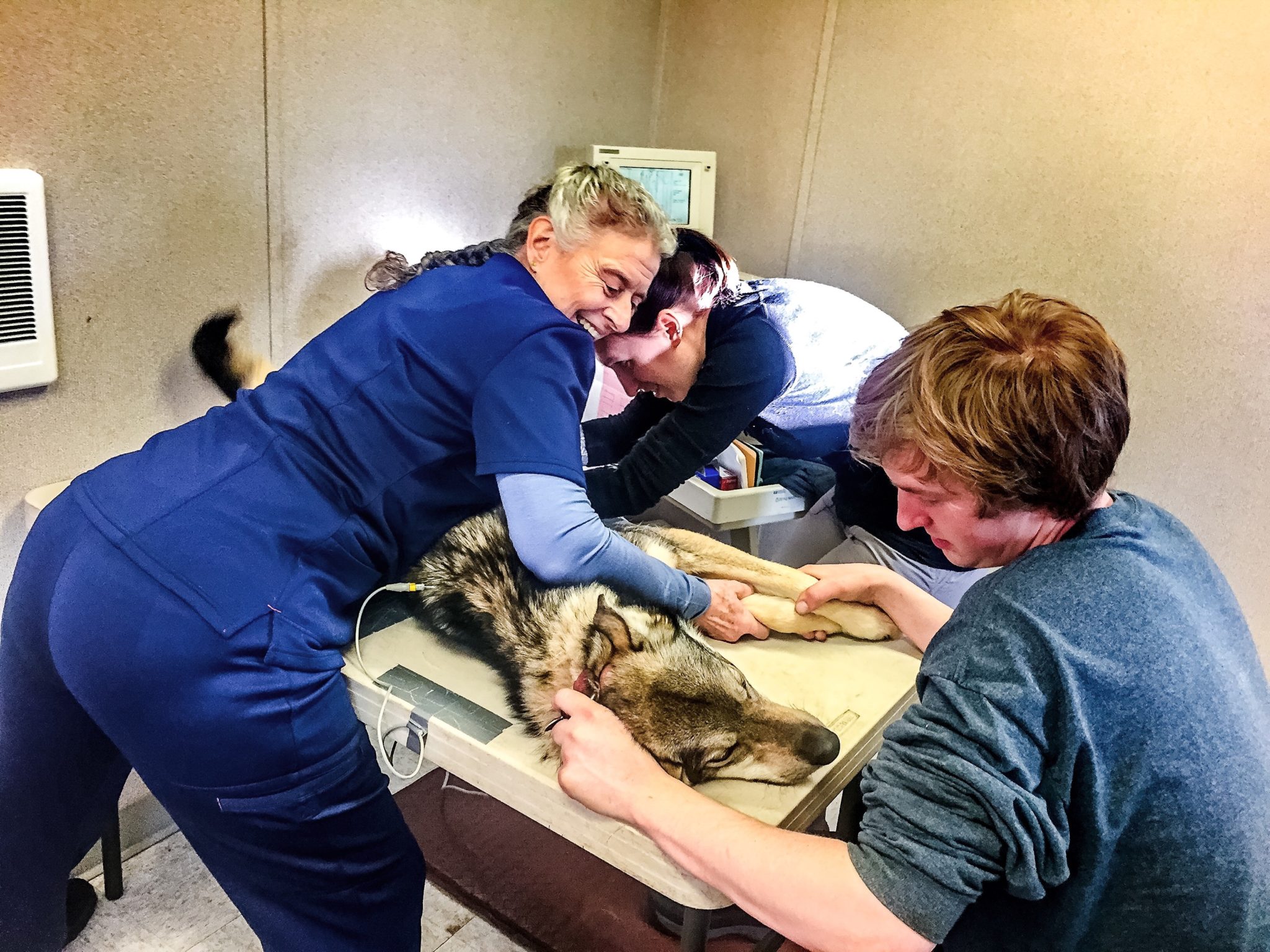
Dogs are Regularly Sent Home From Racing
During racing, dogs are frequently removed from teams for precautionary reasons.
This is not a sign of failure—it is a sign of good management.
A musher can only move as fast as the slowest dog. But more importantly, each dog has a different level of readiness on any given day. Removing a dog allows that individual to rest and recover, rather than be pushed beyond what is appropriate.
Good dog care requires making these decisions early and often.
Racing Sled Dogs Have Highly Catered Diets
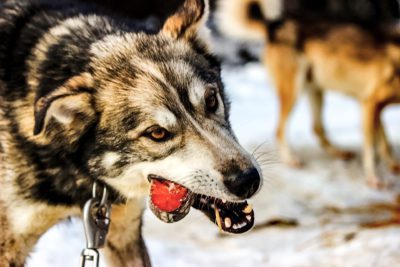
In competitive racing environments, diet is also a crucial component to success. Racing sled dogs will have a highly customized diet designed
One of the vitamin supplements used by mushers is Vitamin E which has been shown to help increase endurance in sled dogs during long distance races. In fact, the Iditarod recommends that mushers supplement their dogs with 400 IU of Vitamin E per day.
Sled Dogs Receive Massage Therapy
Additionally, many racers employ the use of massage, laser therapy, acupuncture, and chiropractic massage on their sled dogs to ensure that their team is ready for competition and capable of reaching peak performance. The use of massage and stretching can help dogs recover better and can improve performance. As noted in an article on the use of massage therapy on sled dogs put out by the 1,000-mile long Yukon Quest dog sled race,
“Veterinarians, mushers, and handlers use massage therapy to increase the supply of oxygen-rich blood to the muscles and surrounding tissues in sled dogs. This helps speed the removal of waste products from the muscles, and helps relax a dog’s muscles.”
Our sled dogs are treated like canine Olympians! Beyond the care they receive, we feel that our dogs take great pride in racing. We know that our dogs know what they have accomplished when they reach the finish line of a race. Overcoming obstacles such as difficult trail and bad weather, as well as the long miles needed to train for endurance races, truly bonds us to our dogs.
What Type of Care do Sled Dogs Receive on the Trail?
We strive to have the highest standard of care possible whether we are at home in our kennel, training our dogs, or are out on the race trail. It should go without saying that the better care we take of our dogs, the better they will perform. Great dog care is crucial for success in racing.
On the race trail, mushers will use canine massage oil and rub their dogs down. They will also help stretch their dogs out so that their muscles will relax and recover better. Before racing, many of our dogs will see specialists. Our dogs will undergo acupuncture, myofascial trigger-point release, or laser therapy. Just like human athletes, our dogs every need is catered to. We want our dogs to be at peak performance. To ensure that, we give our dogs the best possible care.
Vets are Stationed Along the Trail
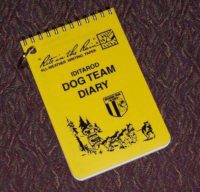
In addition to mushers monitoring their dogs along the trail volunteer veterinarians are also stationed along the trail. The vets monitor the dogs for signs of dehydration, fatigue, and illness. On long-distance races such as the Iditarod, mushers must carry a Dog Team Diary as part of their mandatory equipment. This diary is a method of communication used by vets so that they can convey observations about a particular dog to another vet that may be stationed further along the trail.
Dogs Can Be Dropped From The Team
During racing, if a sled dog encounters any sort of problem the musher can elect to “drop” that dog from their team. The dog is pulled from the team and remains at the checkpoint with the vet and volunteers there while the musher and the remainder of their team continue onwards.
Sled dogs are dropped during races for a number of reasons, but the predominant reason dogs are dropped have to do with the dynamics of working with a group of high caliber athletes. When running sled dogs, a musher can only go as fast as the slowest team member… It is an unfortunate misconception that sled dogs do not finish races because the race is too difficult or because the musher is pushing the team to hard. That is not the case at all! Mushers drop dogs because we are trying to work as efficiently as possible and because it is not always fair to keep all our team mates as part of the team. Peak performance for one athlete, is different for another. As the coach of the team, our job is to help each athlete on our team reach their full potential. Good sled dog care requires dropping dogs.
– Understanding Why Mushers Drop Sled Dogs In Races
Being able to leave dogs behind, allows mushers to do what is best for each individual dog.
What Happens To Old Sled Dogs or Dogs That Don’t Want to Pull?
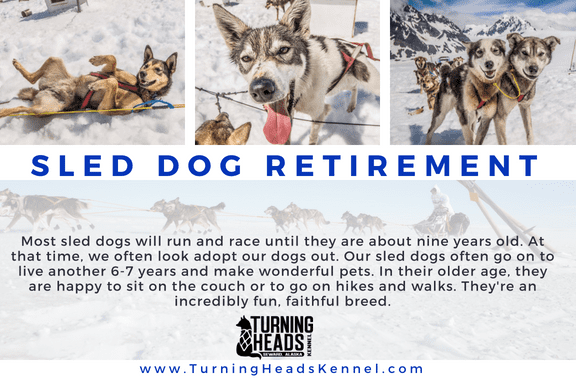
Although racing age varies from dog to dog, most canine athletes can compete until 9 years of age. Many, continue competing beyond that. Long-distance dog sled races, like Iditarod, are not physically stressful on our older dogs and, in fact, if an older dog remains injury free, they may compete until they are 11 or 12 years old. Marathons, as many human racers will attest, have a mental component to them — the more marathons you finish, the easier they become: your body and your mind learn that the finish line is coming. The same is true with our dogs: our older dogs may no longer be in their physical prime, however, they have the mental toughness that allows them to compete. This mental toughness may not be enough to keep them on the race team — but they may go on a team to help “coach” a group of younger dogs and help them get to the finish line in a less competitive team that is just learning the trail or traveling it non-competitively.
Older Sled Dogs Mentor Young Sled Dogs
Older sled dogs have the wisdom of many seasons of racing with them. Because of this, not only do they make great coaches to other dogs but they also make good teachers. Our old dogs help train the younger dogs, teaching them how they should interact with their teammates and how not to. These older dogs are often sought out by kennels with young dogs or by those just learning how to mush.
Sled Dogs Will Retire to Loving Pet Homes or Will Stay In Our Kennel
Inevitably, however, there comes a time when a dog neither can mush or simply no longer wants to. At that time, we will permanently retire our dog. A retired dog may continue to live at our kennel or it may move on to another home. When we bring a dog into the world either by doing a breeding or when we take a dog on from another musher, we are making a commitment to that dog that it will always have a home with us. If you are interested in adopting one of our older sled dogs, please contact us!
What Happens to Dogs Who Don’t Enjoy Mushing?
We occasionally have the “black sheep” sled dog that doesn’t enjoy running and pulling. Sometimes our dogs may also develop a medical condition which does not allow them to run. In these instances, we work to rehome our dog to a home where they can enjoy life. We have had many successful outcomes with young dogs who have gone on to active homes. Are you an avid hiker or runner? Please consider adopting a sled dog!
A Musher’s Job Is To Help Each Sled Dog Realize Their Full Potential
Our job as mushers is to allow each of our dogs to reach their full potential — and sometimes that means they aren’t fit for our particular kennel. In these instances, we may consider selling the dog to another kennel. We have many talented athletes who for one reason or another may not gel with our kennel or within our team. A dog should not be penalized for something like this! Rather, this dog should go on to a mushing home where it can excel. Some dogs that may not make our team for one reason or another will go on to be a super-star at another kennel. We’ve sold dogs who weren’t fitting in that have gone on to win races with their new owners: this makes us incredibly proud and is ideally what happens!
We have several dogs who are currently retired as well as several who will be nearing retirement in the next year or two. If you are interested in learning more, please consider contacting us. We are happy to provide references to those who are hoping to add a sled dog to their life!
Our retirement and rehoming program aren’t out of the ordinary either — in fact, it’s the norm. Most competitive mushers have great retirement programs too, though not all are widely publicized. The park rangers who work with sled dogs at Denali National Park also have a great sled dog retirement program. In addition to mushers working on their own to find retirement homes for their dogs, the non-profit the August Fund helps elderly sled dogs and their mushers connect with those looking for a pet.
We Love Our Sled Dogs
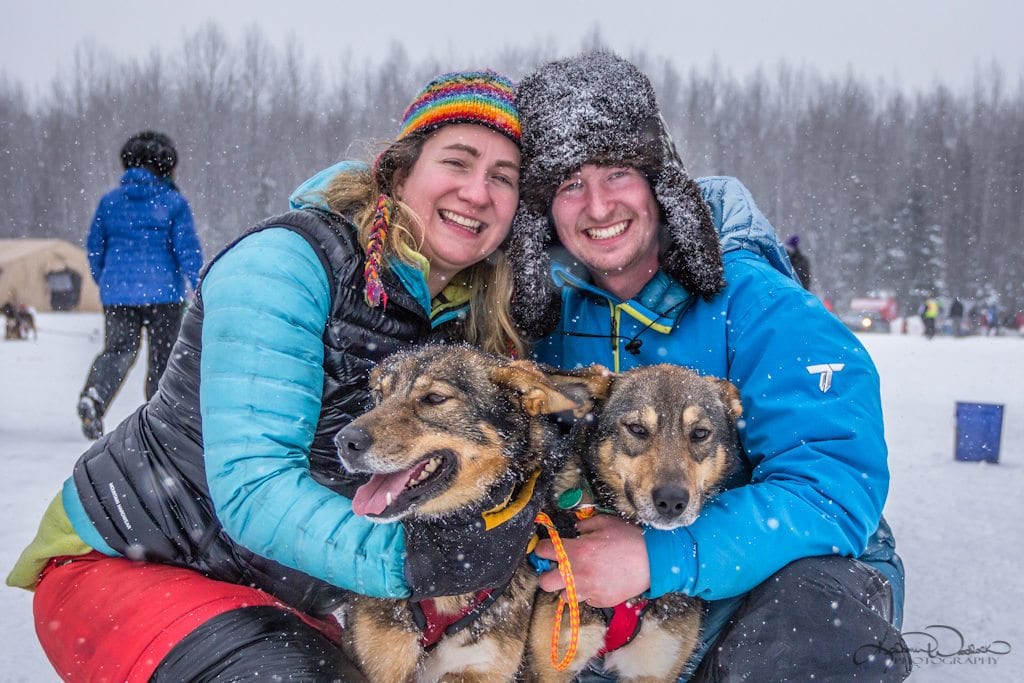
Owning and caring for a kennel of sled dogs is a tremendous amount of work and responsibility. As mushers, the thanks we get is from the wagging tails of our dogs and the love they give back to us. Owning a sled dog kennel is an expensive labor of love and a choice we make because we enjoy the company of our dogs.
Is Dog Sledding Humane
Dog sledding is humane when it is practiced by attentive, experienced mushers who consistently meet the physical and social needs of their dogs.
At its core, mushing is built on a working partnership. Mushers choose this lifestyle because they value both the dogs themselves and what can be accomplished together as a team. When done well, the sport supports the health, engagement, and purpose these dogs are bred for.
