• Skip to primary navigation
  • Skip to main content
Turning Heads Kennel

Turning Heads Kennel

Alaska Dog Sledding Tours

  • Home
  • Tours
    • Summer Tours
      • Summer Dog Sled Ride
      • Summer Dog Sledding & Gold Panning Combo
      • Helicopter Glacier Dog Sledding
      • Flight Seeing 🚁
    • Winter Tours
      • Winter Dog Sledding Tours
  • About Us
    • Our Mushing Philosophy
    • 2025 Crew
    • The Dogs
      • Meet the Dogs
      • Learn About Dog Sledding
      • Adopt A Retired Sled Dog
    • Our Life
      • Travis Beals
      • Sarah Stokey
      • Our Story
      • Racing Schedule
      • Travis Beals Racing History
  • Contact
  • Shop
  • Support
  • News
  • Show Search
Hide Search

Visiting and Trip Planning

Ultimate Guide to Glacier Dog Sledding in Alaska

Sarah · February 18, 2025 ·

When most people think of dog sledding, they envision teams of huskies racing across frozen landscapes in the winter, their breath visible in the cold. Alaska, with its unique geology, offers a twist on this traditional winter activity by offering opportunities for Alaskan visitors to go dog sledding on snow in the summer. This is possible because of the glaciers in Alaska. In many places at elevation, there is snow year-round.

Glacier Dog Sledding combines the thrill of dog sledding with the awe-inspiring beauty of Alaska’s glaciers, providing an unforgettable adventure that’s available during the summer months.

The Setting: Alaska’s Glaciers

Alaska’s glaciers are among the state’s most majestic natural wonders. During the summer, the snow fields that make up the “accumulation zone” of the glaciers become the perfect place for dog sledding. The most popular glaciers for summer sledding include Godwin Glacier in Seward, the Mendenhall Glacier near Juneau, the Punchbowl Glacier near Girdwood, The Knik Glacier near Palmer, and the Norris Glacier near Juneau. These mountainous locations offer the necessary snowpack needed to safely go dog sledding.

What to Wear and Bring

When preparing for glacier dog sledding, it’s essential to dress appropriately and bring a few key items:

  • Layered Clothing: We recommend wearing a t-shirt followed by layers. Temperatures vary from about 35-85 degrees depending on the day.
  • Sneakers: Tour companies will provide boots to go over your shoes. These overboots are easier to put on if you are wearing sneakers, not hiking boots.
  • Gloves: If you run cold, gloves are essential to keeping your hands warm.
  • Sunglasses : Shield your eyes from the intense glare of the sun reflecting off the snow and ice.
  • Sunscreen and Lip Balm with SPF: Protect your skin and lips from the high-altitude sun exposure.
  • Camera or Smartphone: Capture the stunning scenery and unforgettable moments with the sled dogs.

Many tour companies provide overboots and rain jackets, but it’s always good to confirm in advance to be fully prepared.
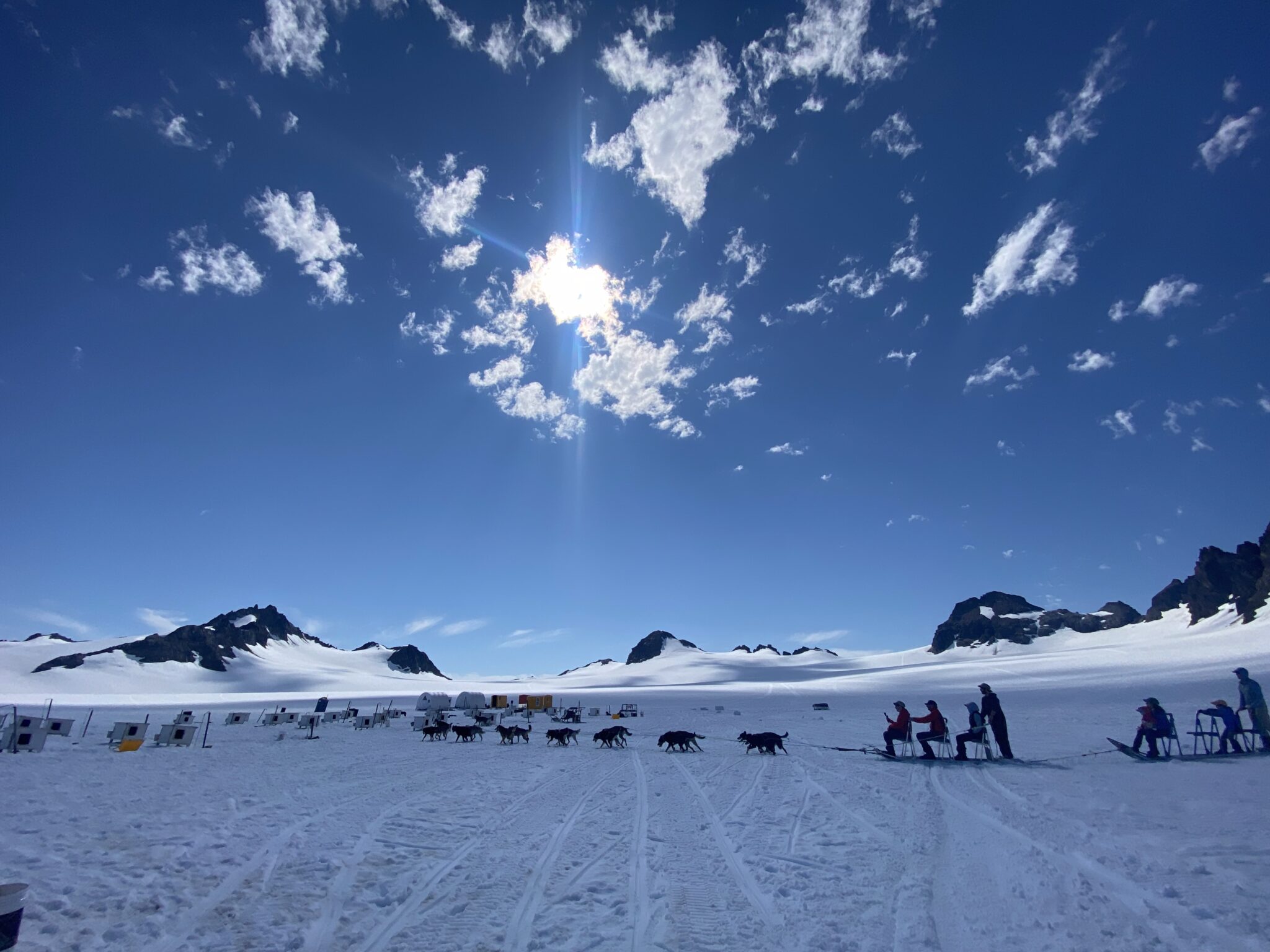
 A glacier dog sledding tour return to camp on a beautiful day

Preparing for Your Glacier Dog Sledding Adventure

Before your glacier dog sledding adventure begins, you’ll start by checking in at the tour office, where friendly staff will guide you through the preparations. Here, you’ll receive any necessary gear, such as waterproof overboots and rain gear, to ensure you stay warm and comfortable on the glacier. Staff will also answer any questions you have and provide an overview of what to expect during your experience. This is the perfect time to double-check that you’re dressed appropriately for the adventure ahead. Temperatures on the glacier can vary from about 35 degrees to almost 85 degrees.

Next, you’ll be given a brief but essential helicopter safety briefing. The team will explain how to board and exit the helicopter, handle your gear, and stay safe during the flight. Once everything is ready, staff will help you secure your gear and assist you into the helicopter. With everyone safely on board, you’ll take off for a breathtaking flight, soaring over the stunning Alaskan wilderness toward your glacier destination, where your sled dog adventure awaits.

Fly to the Glacier In A Helicopter

Flying to a glacier in a helicopter is an experience that seamlessly combines adventure and awe. The journey begins with a thrilling ascent, as the helicopter gains altitude and unveils panoramic views of Alaska’s rugged wilderness. As you soar above expansive valleys, winding rivers, and towering peaks, every turn offers a breathtaking perspective on nature’s grandeur.

As the helicopter approaches the glacier, you’ll see massive rivers of ice shimmering in shades of blue and white, framed by jagged mountains. These ancient formations, inaccessible by other means, come alive as you hover
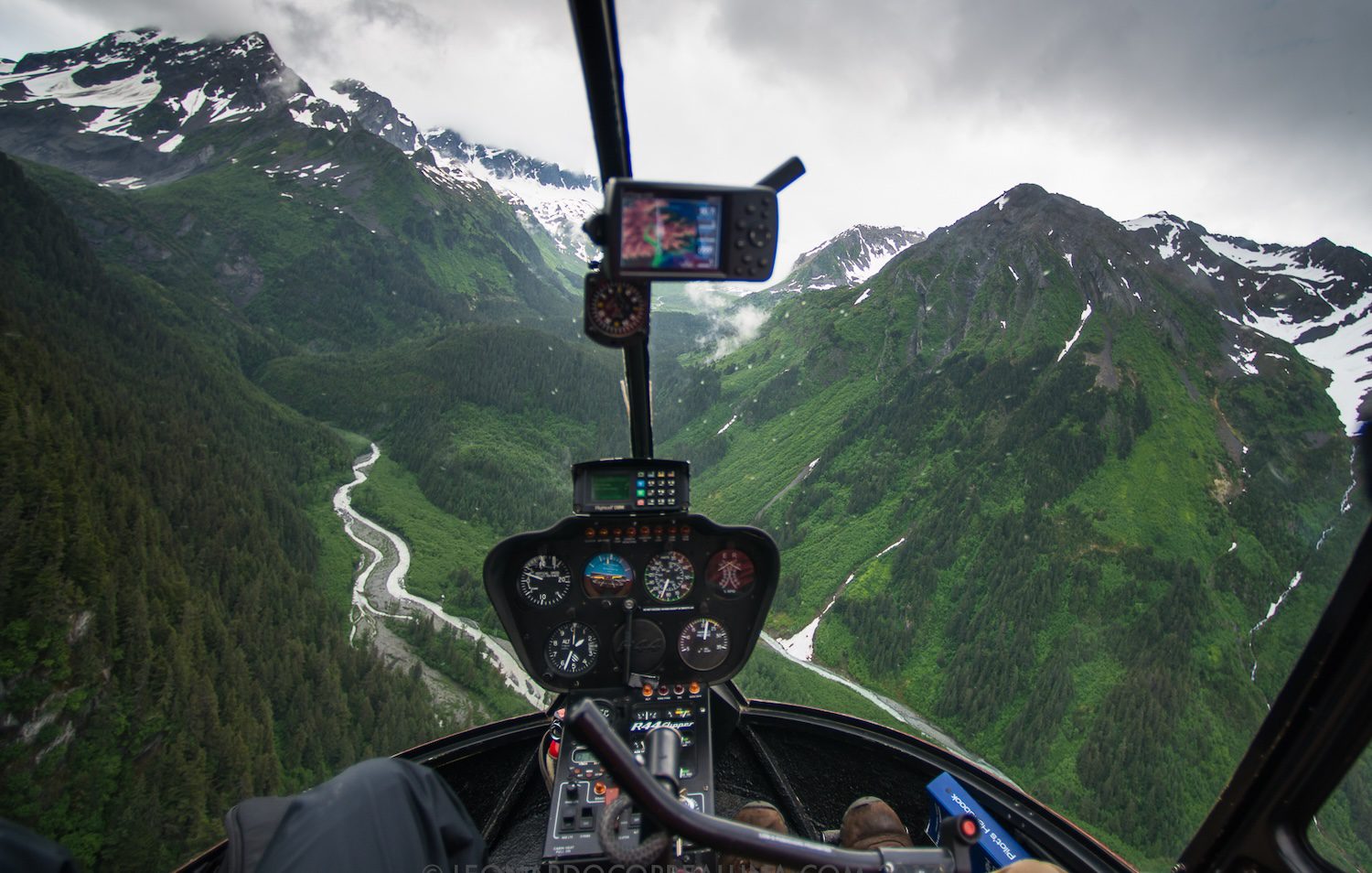
fly to the glacier glacier dog sledding tour

close enough to see the intricate textures of the ice and the crevasses that tell stories of their slow, steady movement over centuries.

The descent onto the glacier is equally memorable. Touching down amidst this pristine, otherworldly landscape feels like stepping into a different era. The helicopter ride not only offers convenience but transforms the journey into an unforgettable adventure, setting the stage for whatever awaits on the glacier—be it dog sledding, hiking, or simply soaking in the unmatched beauty of this icy wonderland.

Meeting the Sled Dogs
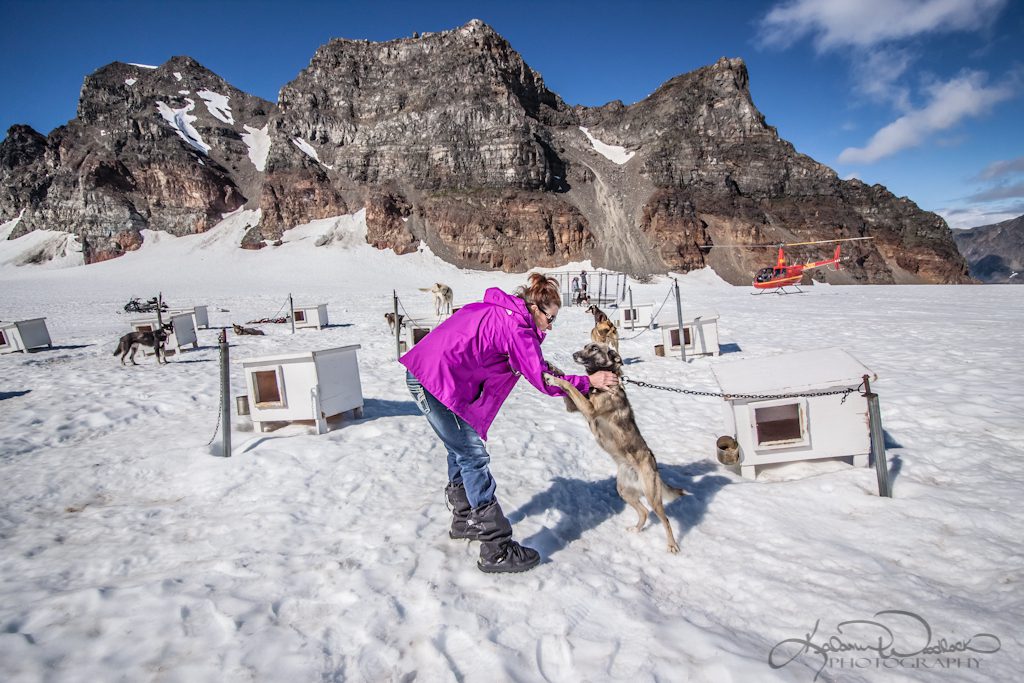
visit the dog yard glacier dog sledding

Once the helicopters reach the remote dog sledding camp, visitors are greeted by their guides who live on the glacier during the summer months. The guides give an introduction on how to interact with the sled dogs and what to expect during the dog sledding ride. Sled dogs are highly trained and very enthusiastic about running. Each dog has a different personality. It is important to for guests to listen to their guides so they know which dogs are friendly and which are shy. The mushers then will introduce you to the dogs, share insights about their training and care, and provide you with a tutorial on how to safely ride on the dog sled.

Most dog sledding companies use the Alaskan Husky, a hybrid dog bred for their endurance, strength, and love of running. Summer dog sledding provides them with essential exercise and training during what is typically the off-season, keeping them in top condition for winter races. Visitors often find that interacting with the dogs is one of the highlights of the experience, offering a chance to connect with these incredible animals in their element. Many places also offer the opportunity to meet puppies.
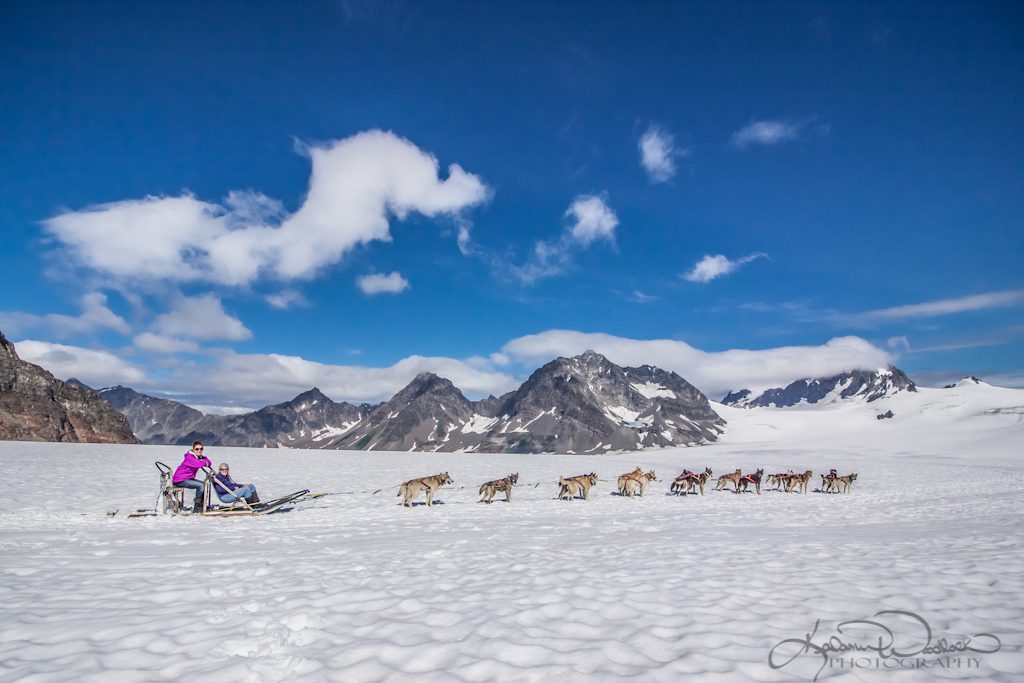
A guest stops with the team while a guide takes her picture with the sled dogs on a glacier dog sledding tour.
Ultimate Guide to Glacier Dog Sledding in Alaska 6

The Experience: Dog Sledding on Snow in the Summer

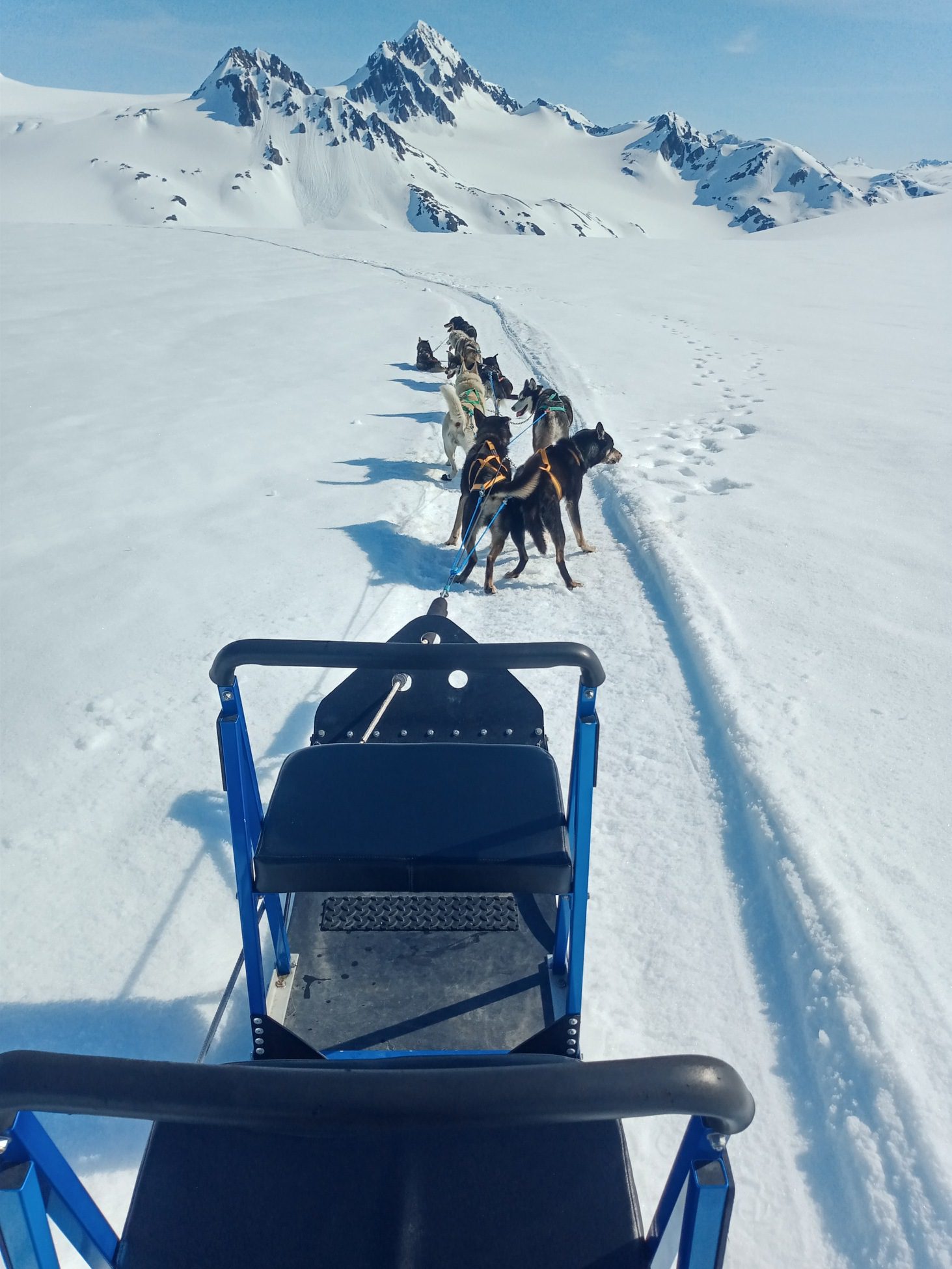
The dog sledding itself is exhilarating. The dogs often bark loudly before the team sets off. This canine chorus is basically the dogs saying “pick me” and “I want to go.” The team shares their excitement with one another by barking. They also bang against their harnesses trying to get the sled to move. Once the musher is ready and the team departs, the team is quiet. The sled moves silently across the snow. The glacier can be a very quiet place when the team is moving!
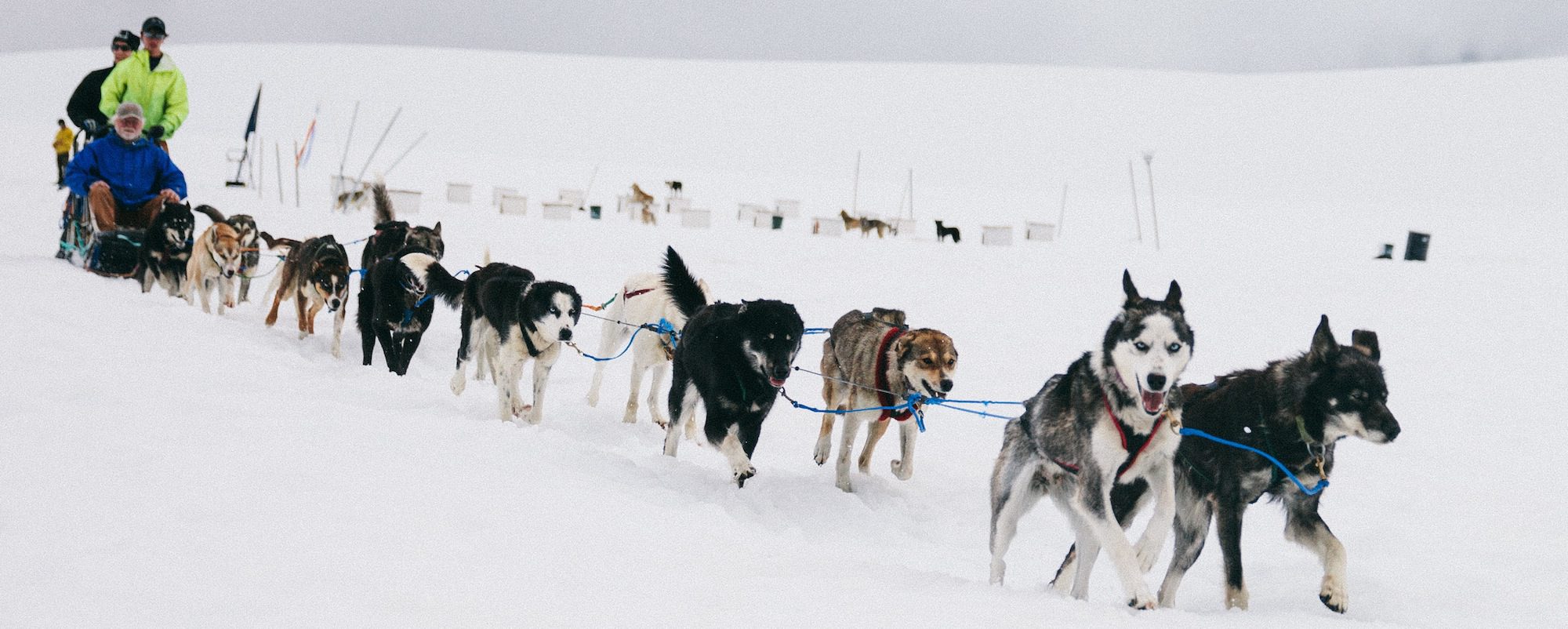
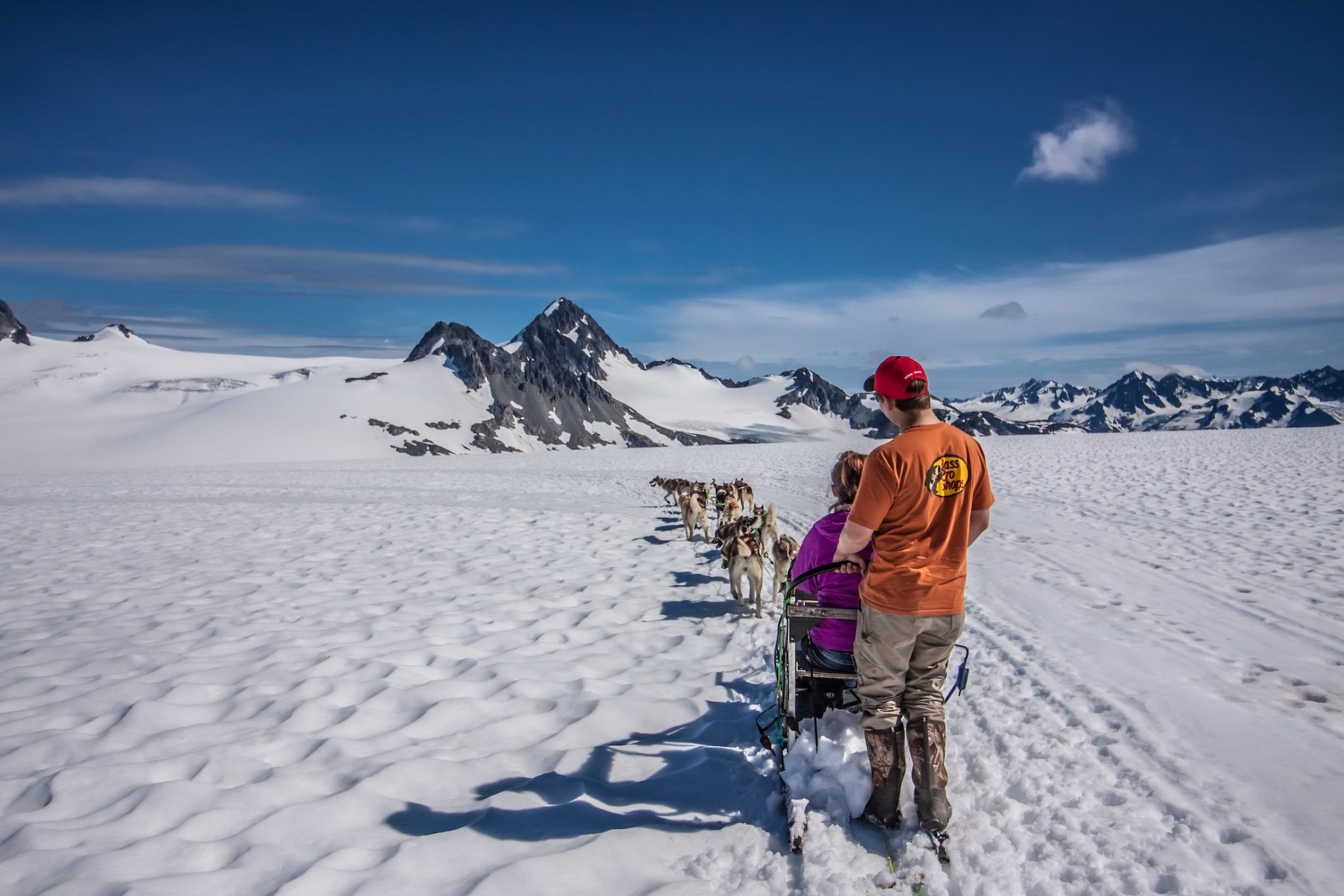
Zena in lead givingguests a glacier dog sled ride in Seward, AK
Zena, on the right hand side in lead giving guests a glacier dog sled ride in Seward, AK

Planning Your Adventure

Booking a summer dog sledding tour requires some planning. Tours are popular and fill up quickly, so it’s wise to book well in advance. Ensure that you choose a reputable tour operator that prioritizes the safety and well-being of both guests and dogs. Also, be prepared for the possibility of weather-related changes to your schedule; the safety of participants and animals is paramount, and conditions on the glacier can change rapidly. Helicopters only fly in good visibility so it is advisable to build a back up day into your schedule if it permits.

Why Glacier Dog Sledding in Alaska Is a Must-Do Experience

Summer dog sledding in Alaska offers an unparalleled adventure that combines the excitement of dog sledding with the natural beauty of the state’s glaciers. It’s an experience that allows visitors to enjoy the thrill of winter sports in the middle of summer, surrounded by some of the most stunning landscapes on earth. Whether you’re an adrenaline junkie, a nature lover, or simply looking for a unique way to experience Alaska, summer dog sledding is an adventure that should not be missed

Frequently Asked Questions About Glacier Dog Sledding in Alaska

What should I wear for glacier dog sledding?

Dress in warm, layered clothing, including moisture-wicking base layers, insulating mid-layers, and waterproof outer layers. Don’t forget gloves, sunglasses, and sunscreen to protect against the elements. Many tour operators provide additional gear like overboots and rain jackets.

Is glacier dog sledding safe?

Yes, glacier dog sledding is safe when booked through a reputable tour operator. Helicopter pilots, mushers, and guides prioritize safety, and you will receive a thorough briefing on both helicopter and sledding procedures.

Can children participate in glacier dog sledding

Many tours welcome families, including children. However, age and weight restrictions may apply, so it’s best to check with your tour provider when booking.

What happens if the weather is bad?

Safety is the top priority, and helicopter flights may be delayed or rescheduled if visibility or weather conditions are unfavorable. It’s a good idea to have a flexible itinerary and plan for potential changes. If weather cancels your departure and you cannot reschedule, you should not be charged for your excursion.

Are photos allowed during the tour?

Absolutely! You’re encouraged to take photos of the stunning scenery, helicopter ride, and your time with the sled dogs. Some operators may even offer professional photo packages.

How far in advance should I book a glacier dog sledding tour?

Tours fill up quickly, especially during peak summer months. It’s best to book several weeks in advance to secure your spot.

Is there an age limit for glacier dog sledding participants?

While there is no age limit for glacier dog sledding, there are important things to consider. For safety reasons, participants need to be able to get in and out of the helicopter on their own.

Learn More About Glacier Dog Sledding

Ready to embark on the adventure of a lifetime? Glacier dog sledding in Alaska offers an unforgettable blend of excitement, breathtaking scenery, and the unique charm of interacting with sled dogs in their element. Whether you’re planning your trip or just starting to explore your options, we’re here to help make your experience extraordinary.

Visit our website to learn more about our glacier dog sledding tours, check availability, and book your adventure. Don’t wait—spots fill up quickly, and this is one experience you won’t want to miss. Contact us today with any questions or for personalized recommendations on how to make the most of your Alaskan adventure!

Learn More

.

The Different Types of Summer Dog Sledding Tours in Alaska

Sarah · February 11, 2025 ·

Alaska’s rich dog mushing history is deeply rooted in its culture, transportation, and sporting traditions. Even after the snow melts, summer dog sledding tours offer visitors the chance to experience the thrill of mushing while exploring Alaska’s breathtaking landscapes. Here’s a guide to some of the most popular options:

Glacier Dog Sledding: A Bucket-List Adventure

Glacier dog sledding combines the excitement of mushing with the awe-inspiring beauty of Alaska’s snow-covered glaciers. This unforgettable experience is perfect for those seeking adventure in one of Earth’s most stunning natural settings.

A team of sled dogs is getting pet by guests during a summer glacier dog sled tour
The Different Types of Summer Dog Sledding Tours in Alaska 10

What is Glacier Dog Sledding?

This unique experience begins with a helicopter flight to a remote glacier. On arrival, visitors meet a team of sled dogs and their mushers, then embark on a sled ride across the pristine snow.

What to Expect on a Glacier Dog Sledding Tour:

  • Scenic Helicopter Ride: Enjoy breathtaking views of Alaska’s rugged wilderness, glaciers, and peaks from above.
  • Meet the Dogs and Mushers: Learn about sled dog training, care, and the history of dog mushing.
  • Hands-On Mushing: Depending on sled design you can simulate what it is like to drive the team under the musher’s guidance.
  • Incredible Scenery: Surrounded by field of snow and towering peaks, the setting is nothing short of magical.

Why Choose Glacier Dog Sledding?

  • Summer Snow Adventure: Experience a winter wonderland in the middle of summer.
  • Iconic Tradition: Connect with Alaska’s mushing heritage and its incredible canine athletes.
  • Unparalleled Beauty: Explore some of the world’s most breathtaking landscapes.

Glacier Dog Sledding Tips:

  • Dress in warm layers—even in summer, glaciers are cold.
  • Bring a camera to capture the stunning scenery.
  • Book early, as these tours are highly popular.
  • Bring sunglasses and wear sunscreen.

Wheeled Cart Dog Sledding: Mushing Without the Snow

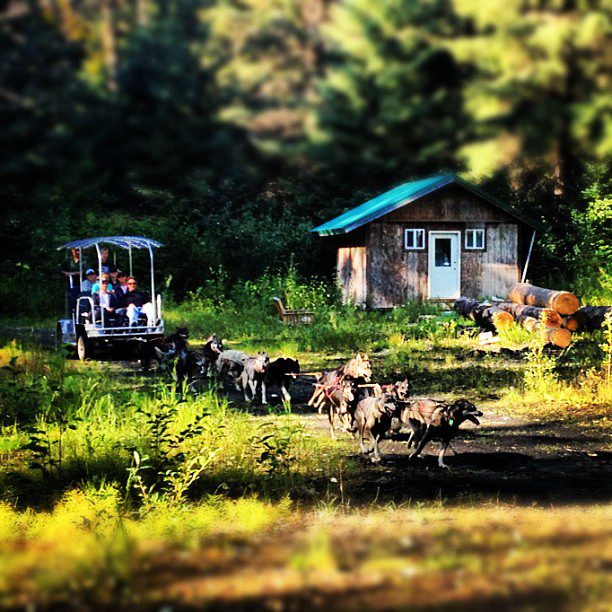
a wheeled cart dog sled ride runs by a cabin

Wheeled cart dog sledding is the perfect solution for those visiting during snow-free months. This warm-weather alternative offers all the excitement of mushing, but with sled dogs pulling specially designed carts on scenic trails.

What to Expect on a Wheeled Cart Dog Sled Tour:

  • Meet the Dogs: Get to know the energetic sled dogs, often with opportunities to pet and interact with them.
  • Ride in the Cart: Enjoy a thrilling ride behind a team of sled dogs as they pull a sturdy, comfortable cart.
  • Scenic Trails: Explore Alaska’s natural beauty on dirt or gravel paths through forests and open landscapes.
  • Learn from Mushers: Gain insights into sled dog training and care during the off-season.

Why Choose Wheeled Cart Dog Sledding?

  • Accessible year-round for visitors outside the winter season.
  • Family-friendly and suitable for all ages.
  • Offers a closer connection with the dogs.

Tips:

  • Wear sturdy shoes and dress for the outdoors.
  • Reserve your spot early, especially during peak tourist months.

Kennel Tours and Dog Sled Demonstrations: Behind the Scenes

For a deeper dive into Alaskan mushing, kennel tours and dog sled demonstrations provide an educational and interactive experience. These tours allow you to meet the dogs, watch demonstrations, and learn about the dedication it takes to train a competitive sled dog team.

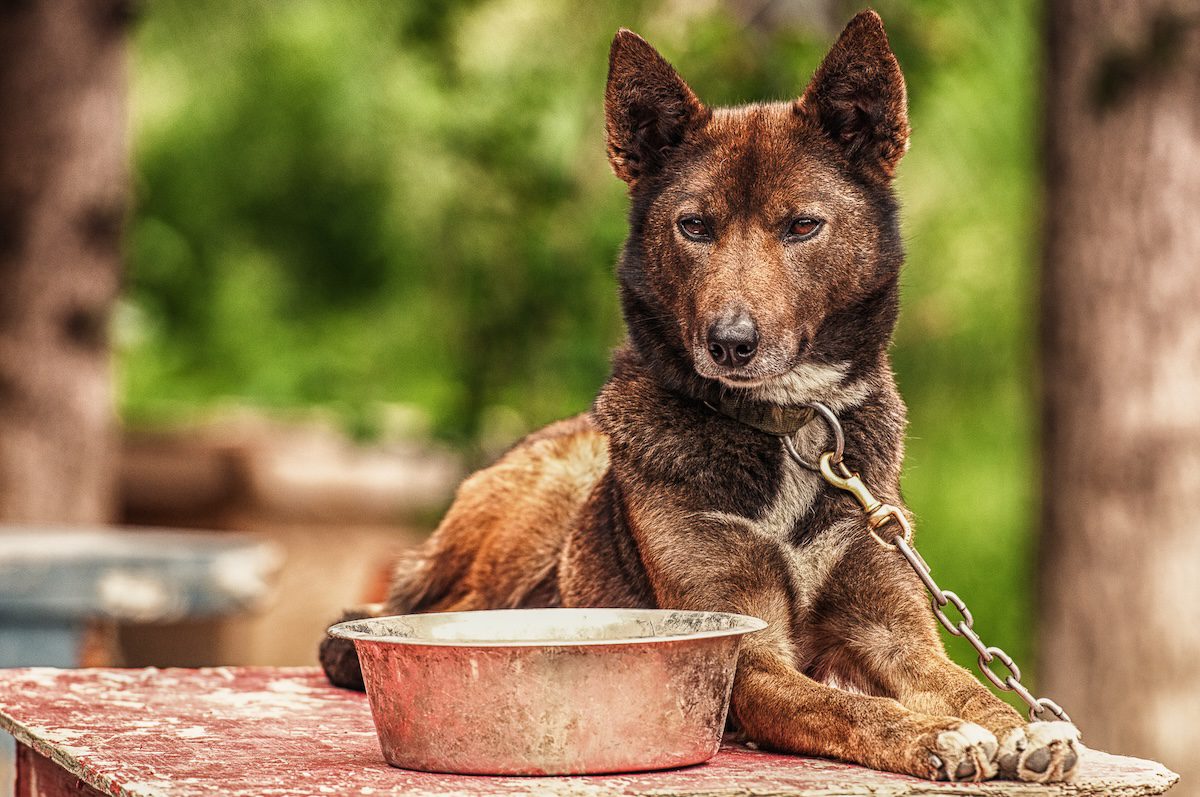
a sled dog sits on her house
The Different Types of Summer Dog Sledding Tours in Alaska 11

What to Expect on a Kennel Tour:

  • Meet the Dogs: Interact with sled dogs and learn about their unique roles and personalities. Puppies, if available, are always a favorite!
  • Learn the History: Explore the evolution of dog mushing from transportation to competitive sport.
  • Watch Demonstrations: See sled teams in action with carts, rollers, or snow sleds, depending on the season.
  • Go Behind the Scenes: Discover the care, training, and teamwork that goes into maintaining a sled dog team.

Why Choose a Kennel Tour?

  • Hands-on interaction makes it ideal for families and dog lovers.
  • Supports local mushers and their racing efforts.
  • Offers a relaxed alternative to more adventurous tours.

Tips:

  • Ask questions—mushers love sharing their passion.
  • Dress appropriately for outdoor settings.
  • Be ready for enthusiastic greetings from the dogs!

Husky Walks: A Calmer Connection

For a slower-paced adventure, husky walks let you take a scenic stroll alongside sled dogs. This activity provides one-on-one time with the dogs while enjoying Alaska’s natural beauty.

What to Expect on a Husky Walk:

  • Walk with friendly sled dogs, often on leashes or harnesses.
  • Explore scenic trails surrounded by forests, mountains, or open landscapes.
  • Learn about the dogs’ training, care, and roles as part of a sled team.

Why Choose a Husky Walk?

  • Perfect for all ages and fitness levels.
  • Provides a unique way to bond with the dogs.
  • Great for those seeking a relaxed, interactive experience.

A Summer Adventure You’ll Never Forget

From gliding across a glacier to walking trails with a sled dog by your side, Alaska’s summer dog sledding tours offer something for everyone. These tours connect visitors with the state’s mushing heritage while showcasing its incredible landscapes and wildlife.

Embrace the adventure, meet Alaska’s iconic sled dogs, and create memories that will last a lifetime!

How Sled Dog Tours Support the World of Dog Sled Racing

Sarah · February 4, 2025 ·

Sled dog tours play a pivotal role in the dog sled racing ecosystem. While not all tour operators are directly involved in racing, many competitive kennels integrate tourism into their operations. This might involve offering tours during the off-season, working as guides at summer tour locations, or sending dogs to “summer camps” where they’re cared for and active in tours.

Tourism is essential to the sport, providing not only a financial foundation but also public education, fan engagement, and training opportunities for both mushers and dogs. Let’s explore the many ways sled dog tours contribute to dog sled racing.

Educating the Public About Dog Sledding

One of the greatest benefits of sled dog tours is their educational impact. Tours often include insights into the care, training, and welfare of sled dogs, as well as the cultural and historical significance of dog sledding. This helps dispel common myths, like the misconception that sled dogs are forced to run. Visitors quickly learn that sled dogs love running, and the real challenge is often teaching them to stop!

Tours also highlight the specialized care sled dogs receive. These athletes are treated to massages, acupuncture, laser therapy, chiropractic care, and diets tailored to their high-energy needs. By experiencing this firsthand, participants gain a deeper understanding of the ethical practices behind the sport.

Building Awareness and Appreciation for Dog Sled Racing

Sled dog tours serve as an introduction to the world of dog sled racing. Many visitors, who may have little prior knowledge, leave with a newfound interest in competitive events like the Iditarod or the Kuskokwim 300.

Summer tour guides, who are often mushers themselves, share personal experiences and aspirations, helping connect visitors to the racing community. This interaction fosters a deeper appreciation for the dedication, history, and challenges of the sport.

Growing a Fan Base Through Sled Dog Tours

For racing kennels, sled dog tours are a valuable way to build a loyal fan base. Visitors who tour active racing kennels often follow and cheer for those kennels in future races. They might also explore other races, participate in events, or support the sport through volunteering or donations.

At our own tours, we’ve seen guests who become enthusiastic followers online, tracking our progress in races and sharing their experiences with others. This expanding fan base is crucial for sustaining the sport, increasing its visibility, and inspiring broader participation.

Economic Benefits of Sled Dog Tours

Unlike many professional sports, dog sled racing doesn’t provide enough prize money to fully fund a kennel. Race earnings can offset some expenses, but most mushers rely on alternative income sources, like sled dog tours, to sustain their teams.

A dog sled team rests on a glacier dog sledding tour
A dog sled team rests a dog sled tour. Tours help dogs stay in shape over summer months.

Mushers may offer tours themselves, work as guides for other operations, or send their dogs to participate in off-season activities. These efforts help cover the significant costs of feeding, housing, and caring for a kennel of sled dogs, ensuring they remain competitive at the highest levels.

Sled Dog Tours Inspire and Train the Next Generation of Mushers

Sled dog tours play a key role in developing future mushers. Many of today’s racers got their start as tour guides, learning to handle teams, care for dogs, and manage operations before transitioning to competitive racing. This hands-on experience is invaluable for building the skills and confidence needed to succeed.

For novice mushers, tours also provide mentorship opportunities. They gain insights into dog care, team dynamics, and the day-to-day realities of running a sled dog kennel, setting them on the path to becoming seasoned competitors.

How Sled Dog Tours Help Teach New Mushers

For novice mushers, dog sled tours offer a great way to learn the sport. Many seasoned racers began as tour guides, where they developed their knowledge and skills before moving into racing. Working in tourism gives new mushers hands-on experience with sled dogs and helps build confidence in running teams.

dog sled tours provide economic opportunities for racers
New and Experienced mushers alike benefit from tourism. Tours provide a great way for new mushers to learn about dog sledding and a great economic opportunity for seasoned race professionals.

For these aspiring mushers, tourism also provides an opportunity to learn the ins and outs of dog care, team management, and the intricacies of running a sled dog operation.

Training Young Sled Dogs for Dog Sled Racing Through Tours

Sled dog tours also benefit young dogs in racing kennels. Many kennels use tours as a way to keep their younger dogs active and help them develop the skills needed for racing. Younger dogs, who may not yet be mature enough to race, often participate in tours alongside older dogs who are too seasoned to compete but still need exercise.

The younger dogs benefit from the shorter runs typical of tours, gaining experience and learning the ropes of team dynamics. Meanwhile, the older dogs stay fit and active, providing a great learning opportunity for the younger generation.

Why Sled Dog Tours Are Vital to the Future of Dog Sled Racing

Sled dog tours are more than just an exciting adventure for visitors—they are a cornerstone of the dog sled racing community. By educating the public, inspiring future mushers, building a loyal fan base, and providing critical financial and training support, these tours ensure the sport remains vibrant and sustainable for generations to come.

Whether you’re experiencing the thrill of a sled dog tour for the first time or cheering on your favorite team in a race, you’re contributing to the rich legacy of dog sledding.

Current Racing Kennels That Offer Sled Dog Tours

For a firsthand look at the world of dog sledding, many racing kennels offer tours that combine adventure with education. These experiences allow visitors to connect with sled dogs, learn from mushers, and gain insight into the sport. Here are a few notable examples:

Turning Heads Kennel (Seward, Alaska)
This family-operated kennel offers intimate, small-group tours that focus on providing a personalized dog sledding experience. Guests can interact with the dogs, learn about their care, and enjoy scenic rides through Alaska’s beautiful landscapes. Support Iditarod mushers Travis Beals, Sarah Stokey and their team of canine athletes. Travis has run the Iditarod 10 times and competes annually in it. He often competes in other local mid-distance races like the Kuskokwim 300 and the Knik 200. Travis and Sarah often support other mushers looking to run Iditarod who do not have their own dogs and take on a number of apprentices each season.

Alaska Husky Adventures (Talkeetna, Alaska)
Experience the thrill of mushing with this kennel’s hands-on tours, which include meeting Iditarod athletes and learning about their training. Guests can even drive a sled team under expert guidance. Support Iditarod and Kuskokwim 300 musher Matthew Failor.

Black Spruce Dog Sledding (Fairbanks, Alaska)
Black Spruce Dog Sledding provides year-round experiences, including sled rides in winter and educational tours in summer. This tour is run by Jeff and Kattijo Deeter, both experienced Iditarod racers. Usually either Jeff or Kattijo races. They often compete in the Copper Basin 300 as well.

Susitna Sled Dog Adventures (Wasilla, Alaska)
Offering both winter sled rides and summer husky walks, this kennel allows visitors to experience the thrill of dog sledding while learning about the training and care of sled dogs. This tour is owned and operated by Rohn and Alyssa Buser. Rohn has run the Iditarod several times and is currently competing in the mid-distance race circuit.

Dream a Dream Dog Farm (Willow, Alaska)
Owned by musher Vern Halter, this kennel combines education and adventure. Visitors can learn about training methods, hear racing tales, and even attend mushing workshops. Although Vern is no longer racing, he often supports young mushers who are hoping to compete who do not want to own their own dogs.

Dallas Seavey Racing (Talkeetna, Alaska)
Home to six-time Iditarod champion Dallas Seavey, this kennel provides an inside look at what it takes to train elite racing teams. Tours feature demonstrations, stories from Seavey’s career, and plenty of opportunities to meet the dogs. Although Dallas does not race ever year, he often has other mushers taking his dogs to events.

Husky Homestead (Denali Park, Alaska)
Operated by four-time Iditarod champion Jeff King, this kennel offers an immersive experience. Visitors can cuddle puppies, hear mushing stories, and explore the history of dog sledding. Jeff still races in the mid-distance circuit and also supports other young mushers looking to apprentice.

Visiting a racing kennel is more than just a fun activity—it’s a way to support the sport and connect with the heart of dog sledding. By meeting the mushers and dogs who make it all happen, you’ll leave with unforgettable memories and a deeper appreciation for this incredible tradition.

What does a Glacier Dog Sledding Camp consist of?

Sarah · January 28, 2025 ·

A glacier dog sledding camp is a specialized seasonally dog camp located on a glacier, designed to facilitate dog sledding activities. These camps are typically operational during the summer months in regions where glaciers are accessible and safe for both humans and animals. These remote camps are accessed via helicopter. The entire glacier dog sledding camp is brought up to the glacier in late spring and taken down at the end of summer or when there is no longer enough snow for tours to safely operate.

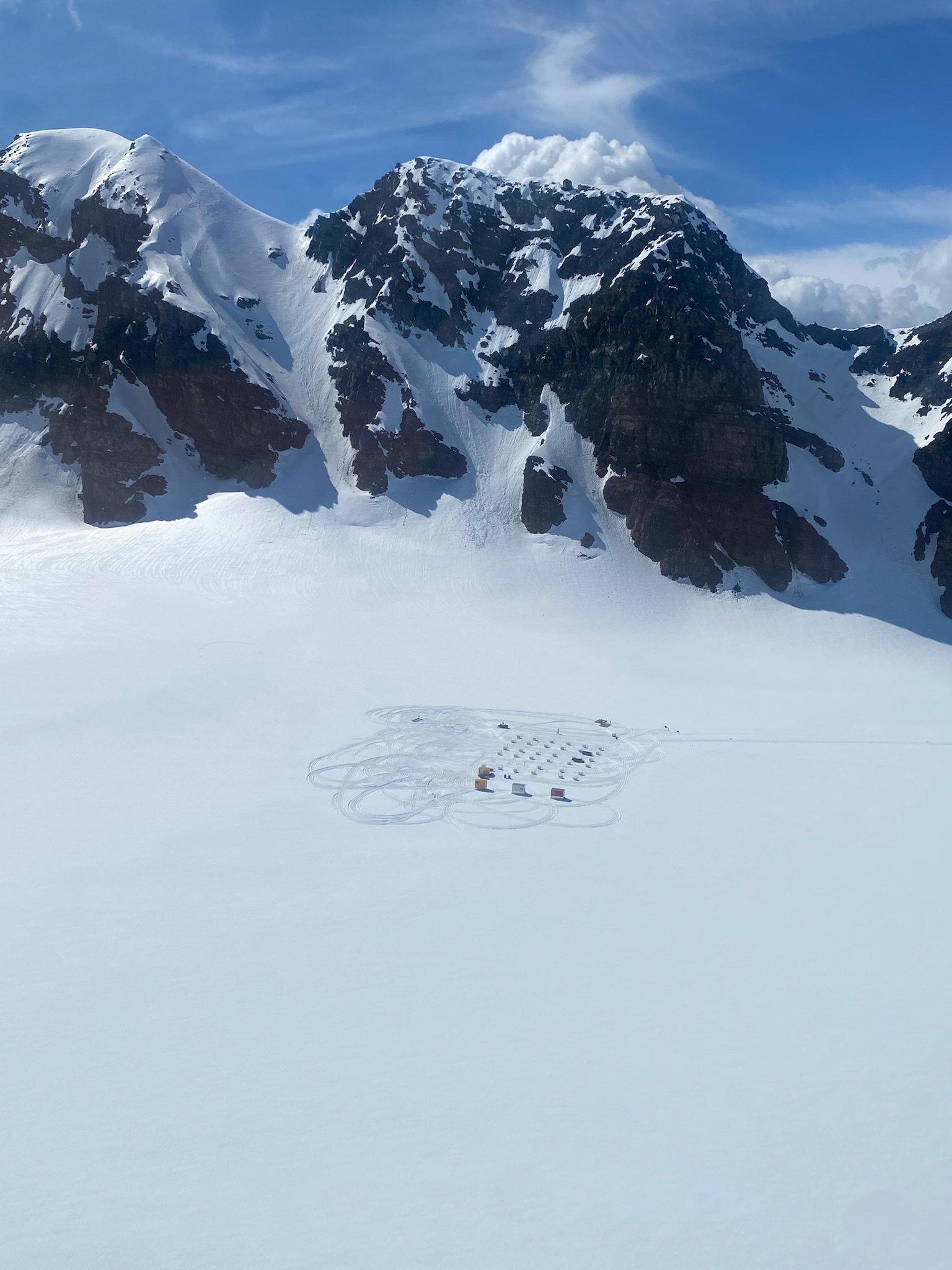
A glacier dog sledding camp in the initial stages of setup.
A glacier dog sledding camp in the initial stages of setup

Everything brought up to the glacier is brought via helicopter. Helicopters have the unique ability to haul external cargo using a long line. This is commonly referred to as slinging. Different helicopters have different limits on how much weight they can carry. Often, it takes smaller camps at least a dozen sling loads to set up camp. The larger camps in southeast Alaska 3 or 4 dozen loads.

A glacier dog sledding camp typically consists of a dog yard, guest area, and guide living quarters.

The Dog Yard at a Glacier Dog A Glacier Dog Sledding Camp

A dog yard at a remote glacier dog sledding camp generally consists of sled dog houses, pens, and big wide rows for the trail to go through. Each dog in a dog yard has its ts own house where the dogs can rest, eat, and stay when they are not working. The houses are designed to protect the dogs from the cold glacier surface and to keep them comfortable in the unique glacier environment. Some camps use plastic houses whereas others prefer wood. We use wooden houses in our camp as we have found that is what our dogs prefer.

Pens are often used to house puppies who go to the glacier to be socialized by visiting tourists. In larger camps, pens may be used to help separate female dogs who come into season.

A Dog Yards at a Glacier Dog Sledding Camp Presents Unique Challenges

A dog sled yard on a glacier is a lot more work than an ordinary dog yard. That’s because a glacier is an environment that changes frequently throughout the summer due to snow melt. Snow melt comes not only from warm temperatures but also from rainfall. Anything on the glacier absorbs heat and those areas can melt faster. This means everything we bring up has to constantly be moved around.

Being good stewards requires that a glacier dog sledding camp is leave no trace. Everything brought up to the glacier, has to come down. This includes dog waste. In our camp, waste is collected in 55 gallon drums that are flown off the glacier. The dog waste is then pumped by a local company. Other camps may use trash bags or buckets.

Because dogs shed, we must constantly rake up where the dogs live to collect their hair. To alleviate how much the dogs shed on the glacier, we will often groom our dogs before they go up to our dog sledding camp. When tours are not being run because of weather, guides will often brush dogs and bag their hair too.

Besides picking up waste and dog hair, there is a lot of maintenance that goes into taking care of the dog yard. As mentioned, the glacier is slowly melting. This often leads to dog houses needing to be leveled so that they are comfortable for the dogs. Every few weeks, the dog yard may be moved so that the dogs have a level surface. The yard is not moved far: maybe 10 or 15 yards. Along with leveling the houses, the trail that runs through the yard needs to be maintained. This is groomed with a snow machine and groomer, often nightly, to ensure a smooth surface for both the dogs and guests.

The Glacier Dog Sled Trail runs through the Glacier Dog Sledding Camp

The dog sled trail runs through our camp. Often, there will be several “chutes” that feed into the team. This allows the dog sledding guides and their handlers to easily hook up dogs. It also makes it so that the teams never have to turn around. By running in a big circle, the teams can go on a second run or be easily swapped out for a new dog team.

The trail is often maintained by a snow machine pulling a custom built groomer. This helps keep the trail easier for the dogs. By grooming at night, the trail often will firm up and provide an easier surface for the dogs to pull.

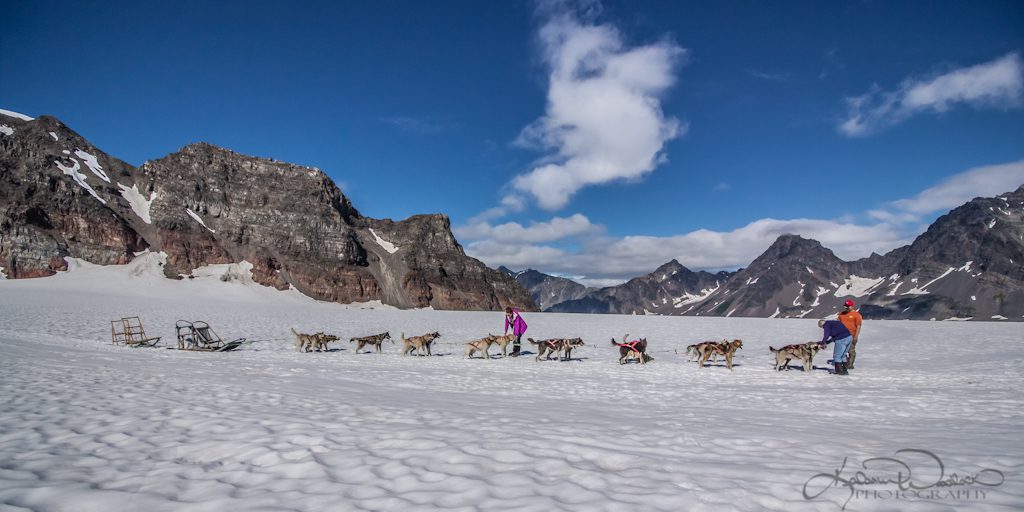
A glacier dog sledding tour returns to camp.
A glacier dog sledding tour returns to camp. The trail goes through the dog yard so that sleds do not need to be turned around. Later on in the season when the dogs are well conditioned, the same dogs may run a few times in a row before taking a break.

By the chutes, harness racks and other mushing equipment is kept. A glacier dog sledding camp will have a number of dog sleds ready for use, designed specifically for glacier conditions. We have sleds that accommodate 2, 3 or 4 passengers based on the groups we have visiting. We like families to be able to mush together. Large families may have to go out on two separate teams but will be near each other on the trail. Our dogs are quite strong but we do not want to overwhelm them by putting too many people on one sled.

The Guest Area of a Glacier Dog Sledding Camp

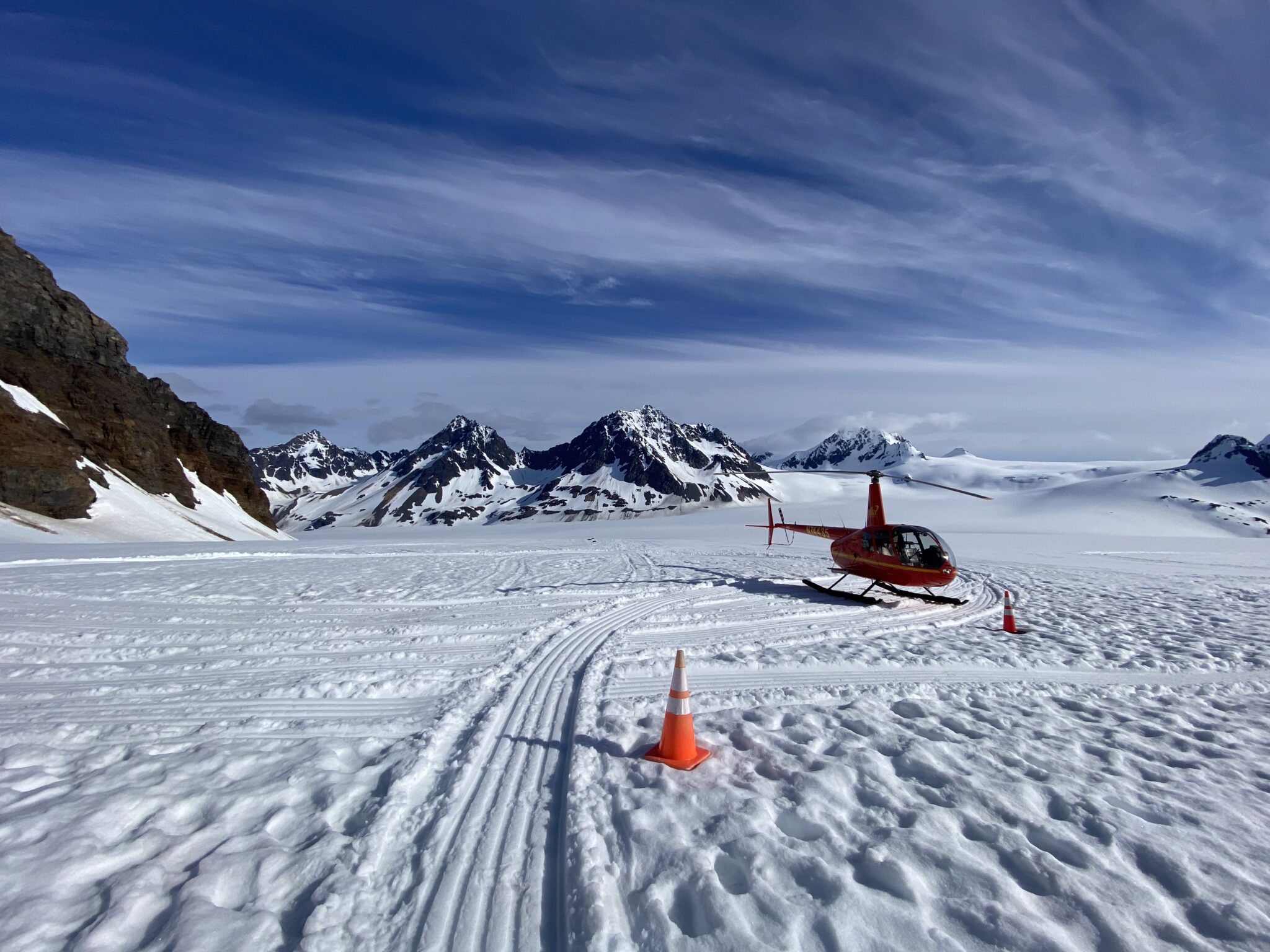
The guest area of a glacier dog sledding camp is often near the helipads where the helicopters come in to land. The helipads are often denoted by markers like traffic cones. A wind sock may also be nearby to help the pilots determine the wind direction. The helipads are simply areas of the glacier that have been groomed. Landing in a groomed spot is easier for the pilots and for guests unloading and loading into the helicopter. Again, the glacier is often melting so snow can sometimes be soft and punchy.

The helipad is often marked with traffic cones and is simply a well groomed area.

Near the helipad, is often benches, platform, or tent for guests to meet at. In our camp, our guests exit the helicopter and generally make their way to either a platform or puppy pen. Having a visual reference for guests to walk to when exiting the helicopter is extremely helpful.

Besides being the area where guests will learn about how to mush and interact with dogs, this area often has a tent with emergency quarters should guests have to stay overnight. Because helicopters fly by visual flight regulations, they need good visibility to see. Glaciers can be unpredictable and weather can change quickly. No one ever wants a pilot to feel pressured to fly in unsafe conditions so the best solution is to always be prepared to have guests stay for an extended period of time. In our experience, this does not happen often, perhaps once a season if that, but it can occur.

Guide living Quarters on a Glacier Dog Sledding Camp

Accommodations for the mushers (sled drivers) who live at the camp for the season vary by company. In general, these might be tents or other temporary structures. Our own camp uses modified ice fishing huts. Other camps use weather ports.

Our guides have private “rooms” while at camp but share cooking facilities and a rudimentary honey-bucket style toilet. We also have a gear shed. The gear shed is used to store dog food, miscellaneous mushing gear, and other items.

Living on the glacier is hard work because you are constantly walking in soft snow. Although driving the dogs and taking guests on glacier dog sledding tours is an important part of the job, a big part that goes unseen is maintaining camp. Everything at camp constantly needs to be leveled and moved. If a building, for example, is not moved it could melt out on only one end. This would result in the building becoming unstable.

Life as a Glacier Dog Sledding Guide

Because of the unique challenges living on a glacier presents, glacier dog sledding guides must be incredibly tough. Working in soft snow and wet conditions means that glacier dog sled guides must be physically fit and have a resilient personality. They also must be comfortable with solitude. When tours are done for the day, the guides still have chores to do. They live on the glacier, often spending 4-5 days in a row up top in small teams. It’s an incredibly unique experience.

A dog team rests while out on a glacier dog sledding tour. The glacier is an incredibly solitary place and takes unique individuals with lots of outdoor experience to work there.

Conditions vary throughout the season. Guides must be prepared to endure weather stretches when the helicopter cannot fly. Often, this only lasts 1 or 2 days but can be longer. This means the camp always has to be well supplied with essentials like dog food, propane (used for cooking and heat), potable water for humans, food, and gasoline. Our camp relies primarily on solar power, however, during inclement weather gasoline powered generators help staff stay in contact with our ground support staff.

Glacier Dog Sledding Camp Removal

When glacier dog sled tours are done for the season, the task of removing the camp begins. Taking down the camp often takes several days. First, the dogs are removed from camp and flown off the glacier. The dogs are flown in a custom box that goes inside the helicopter that holds 4 or 5dogs. Guides must take apart dog houses and the helicopter pilots must build external loads. Slowly, everything is removed from the glacier. A final cleanup is done to ensure that the space is cleaned. It is important to be good stewards of the glacier and a proper clean up is important.

Finally, after the gear is flown off the glacier it is dried out and repaired. Then gear is stored for the following season for the entire process to begin again the following season.

What to Expect When Visiting a Dog Sledding Kennel (and what it actually reveals about the dogs, the sport, and the people behind it)

Sarah · January 21, 2025 ·

This Isn’t a Tour — It’s a System

Most people arrive at a dog sledding kennel expecting an experience.

What they don’t realize is that they’re stepping into a system—one that has been built over years to produce healthy, motivated dogs and consistent performance in demanding conditions. 

A well-run kennel is not designed to impress guests. It’s designed to work for the dogs.

And that distinction matters.

Because everything you see—the noise, the calm, the way the dogs respond—is not staged. It’s a direct reflection of whether that system is functioning the way it should.

A kennel visit isn’t just something you do.

It’s something you can learn to read.

The First Thing You Notice: Energy — Not Chaos

People often expect a kennel to feel chaotic. And yes—there are moments of noise. But it’s not random. Most of the time, sled dogs are quiet. They conserve energy. They rest. And then, when it’s time to run, the entire kennel shifts at once.

What looks like chaos to a first-time visitor is actually anticipation.

What most people miss:
Dogs that don’t want to run don’t behave like that.

They don’t lean forward. They don’t lock in. They don’t settle into rhythm the moment the sled moves.

What you’re watching isn’t animals being pushed. You’re watching animals that want to work—and are ready for it.

Meeting the Dogs: These Are Working Athletes

When you meet the dogs, personality is usually the first thing you notice.

Some walk straight up to you. Others hang back. Some are focused on you, others seem completely uninterested. It’s easy to interpret those reactions as the point of the experience—as if what you’re seeing is a collection of individual pets.

But that’s not what you’re looking at.

These dogs are part of a system built around performance. They are conditioned, trained, and managed as endurance athletes, and their daily lives reflect that. Everything—from how they’re fed, to how they rest, to how they move—is tied to consistency over time.

A strong kennel isn’t trying to produce “friendly dogs.” It’s trying to produce reliable ones—dogs that can show up and perform day after day without unnecessary variability.

The friendliness is there. But it isn’t the objective.

It’s the result of a system that’s working.

What You’re Actually Looking At (Even If You Don’t Realize It)

Most kennel visits include some version of a walkthrough—feeding routines, training explanations, equipment, maybe a demonstration. It’s often presented as a behind-the-scenes look at daily life but what you’re actually seeing is something more structured than that.

Feeding isn’t casual. It’s tied directly to workload and recovery. Training isn’t occasional—it’s progressive, layered, and intentional. Even the way dogs are moved, handled, or positioned reflects decisions that have been refined over years.

To a visitor, it can feel simple.

But that simplicity is the result of systems doing their job.

Anyone can have a good day with dogs. That’s not difficult.

What’s difficult is creating an environment where the same standard shows up every day—regardless of conditions, timing, or variables.

That’s what you’re actually looking at.

The Bond: Built Through Work, Not Just Affection

The relationship between mushers and dogs is often described in emotional terms. But it’s not built the way people tend to imagine. This bond isn’t formed through occasional interaction or affection alone. It’s built through repetition. Through structure. Through shared experience over time.

Miles run together. Consistent care. A system the dogs learn they can rely on.

Trust, in a sled dog team, comes from reliability first.

The dogs trust the process. And over time, that trust extends to the person running it.

What This Experience Actually Gives You (If You’re Paying Attention)

At its surface, visiting a dog sledding kennel is exactly what it sounds like—you meet the dogs, learn about the sport, and see how everything works.

But if you’ve made the shift from “watching” to “reading,” the experience becomes something else entirely.

You’re no longer just being introduced to dog sledding.

You’re seeing how a working system holds together—through the dogs, through the routines, and through the way everything is explained.

And that only works if you’re present enough to take it in.


Preparing for Your Visit (So You Don’t Miss What Matters)

Most advice about visiting a kennel focuses on what to wear or what to bring.

That matters—but not for the reason people think.

Preparation isn’t about comfort for its own sake.

It’s about removing distractions so you can actually pay attention.

In colder conditions, that means layering in a way that keeps you warm without limiting movement—base layers to stay dry, insulation to retain heat, and outer layers to block wind. In summer, lighter clothing works, but conditions can still shift quickly, especially in Alaska. 

If you’re visiting a glacier, that becomes even more important. Temperatures are cooler, wind is constant, and the reflection off the snow is significant. Sunglasses, even on cloudy days, aren’t optional—they’re part of being able to stay present in the environment. 

The goal is simple:

If you’re uncomfortable, you’ll focus on yourself.

If you’re prepared, you’ll focus on what you came to see.


What a Visit Typically Looks Like (And How to Interpret It)

Most kennel visits follow a similar flow.

You’ll be introduced to the space and given some guidelines. That matters more than it seems. Sled dogs are working animals, and how you’re asked to interact with them reflects how the kennel is run. 

You’ll meet the dogs. Some will engage immediately. Others won’t.

That’s not a flaw—it’s a sign you’re looking at a team, not a group of pets.

You may see feeding, training setups, or equipment. You might watch a team being harnessed or even see a run.

Each of these moments is easy to treat as a “demo.”

But they’re not performances.

They’re small windows into a system that has to function every day.

Even something as simple as dogs resting in their houses—often misunderstood—is part of that system. These dogs run regularly, and rest is not inactivity. It’s recovery. 

And when you meet puppies—what feels like a highlight moment for visitors—is also part of something larger. Socialization isn’t just for fun. It’s part of how future working dogs are developed.


The Experience Most People Remember (For the Wrong Reason)

For many visitors, the standout moments are easy to identify:

Holding a puppy.
Taking a photo.
Going for a ride.

And those moments matter.

But they’re not the point.

The point is what those moments sit inside of.

A puppy interaction is part of long-term development.
A sled ride is the visible outcome of thousands of unseen miles.
Even a simple introduction reflects how the entire operation is structured.

If you only take the moment, you miss the meaning behind it.


A Better Way to Experience a Kennel Visit

Most people leave asking:

“Was that fun?”

A better question is:

“What did that reveal?”

Watch how the dogs behave when nothing is happening.
Notice how they transition when it’s time to work.
Listen to what’s explained—and compare it to what you see.

Because once you understand what matters, a kennel visit stops being entertainment.

It becomes clarity.

And the best kennels don’t need to convince you they’re doing it right.

You can see it.

  • « Go to Previous Page
  • Page 1
  • Page 2
  • Page 3
  • Go to Next Page »

Turning Heads Kennel

© 2026 · Turning Heads Kennel . Sitemap

  • Home
  • Tours
  • About Us
  • Contact
  • Shop
  • Support
  • News