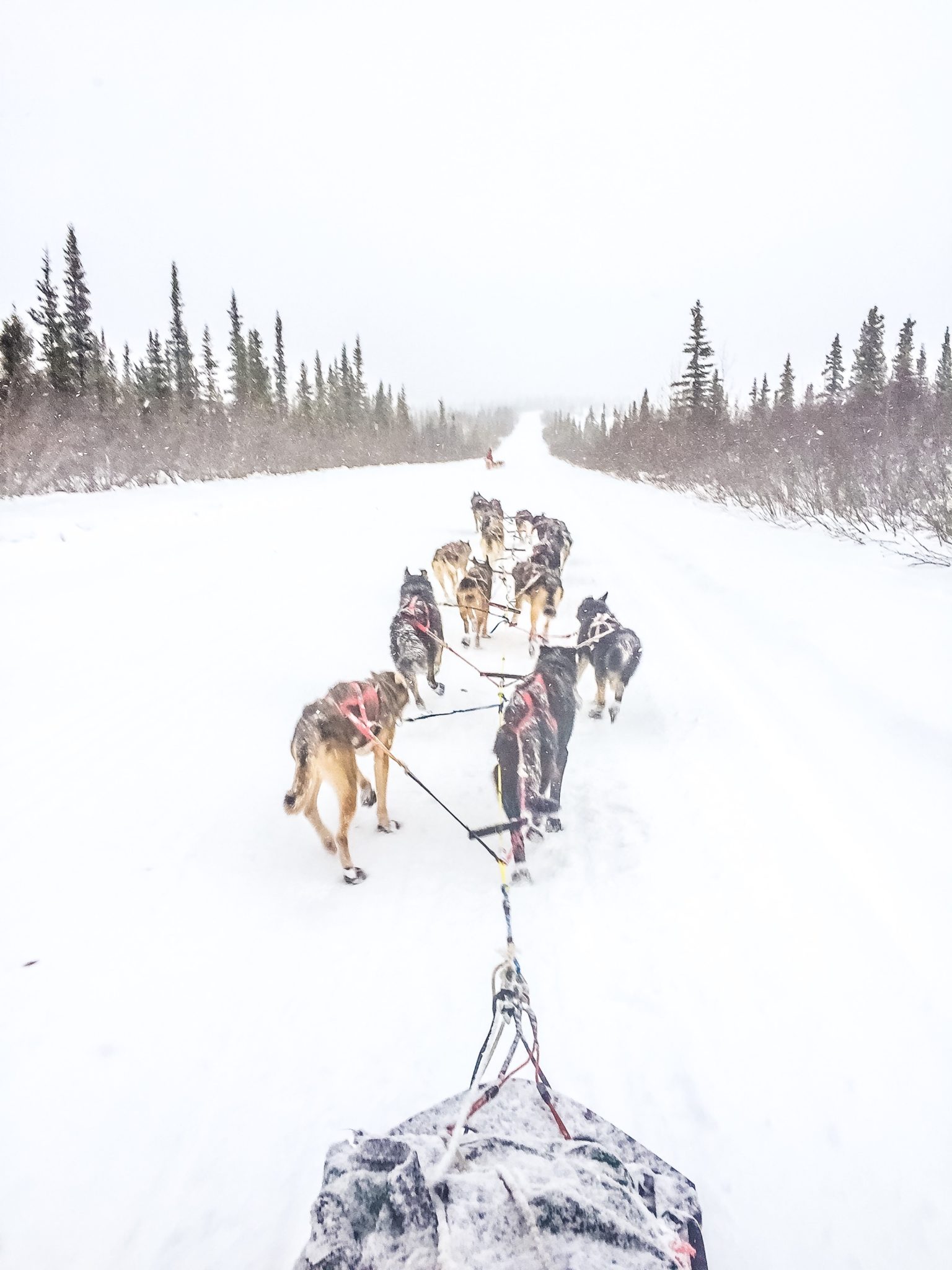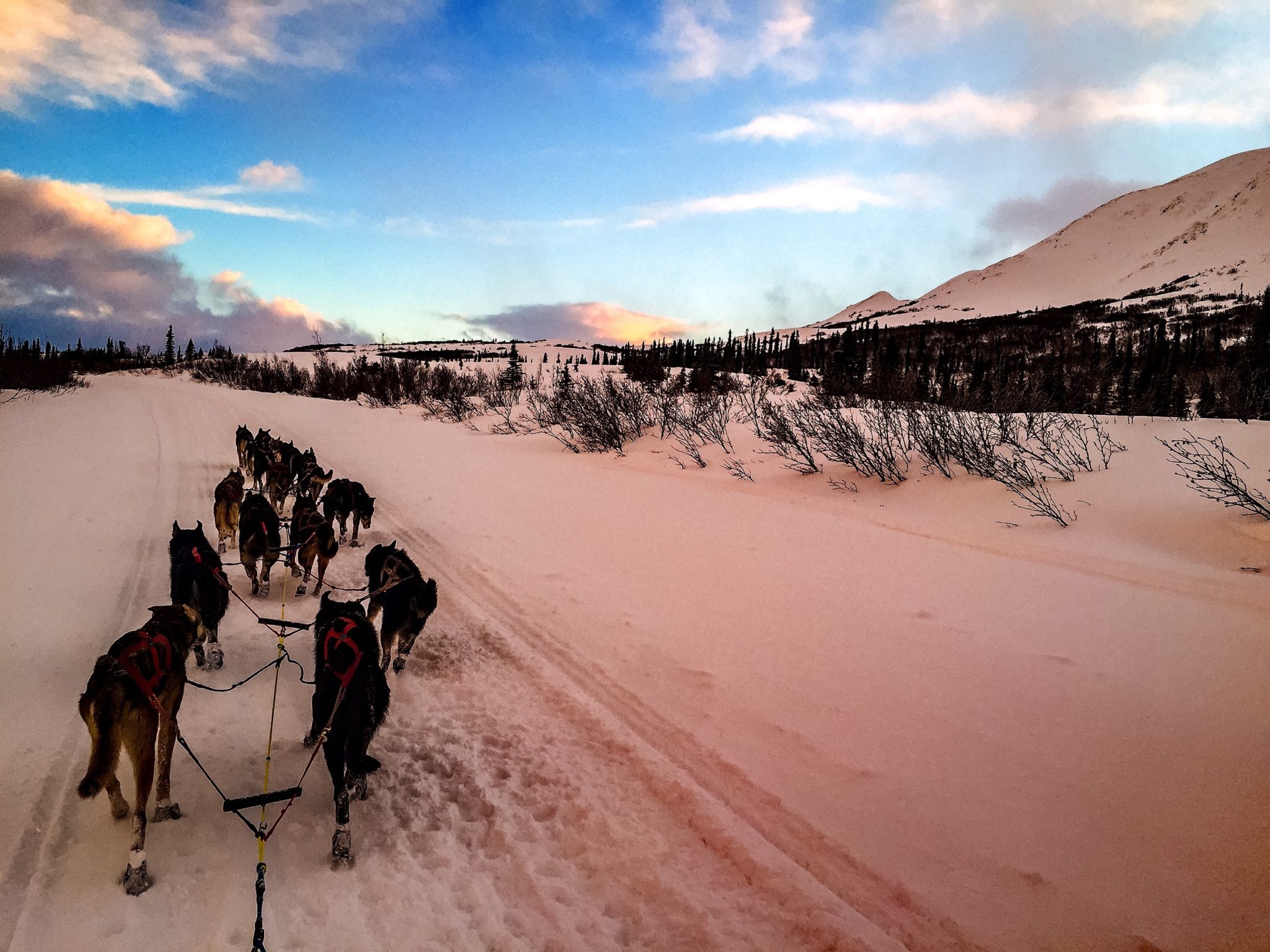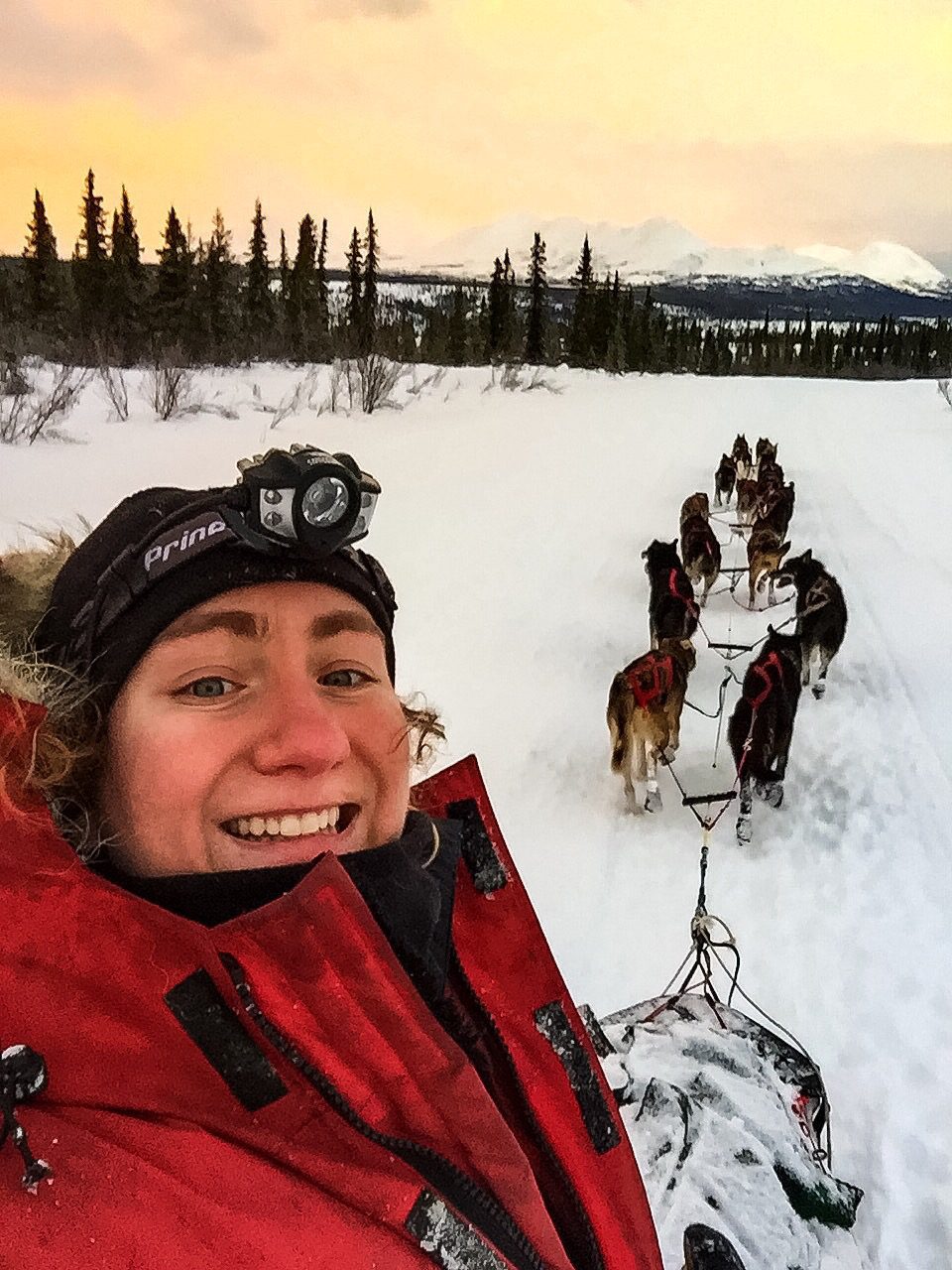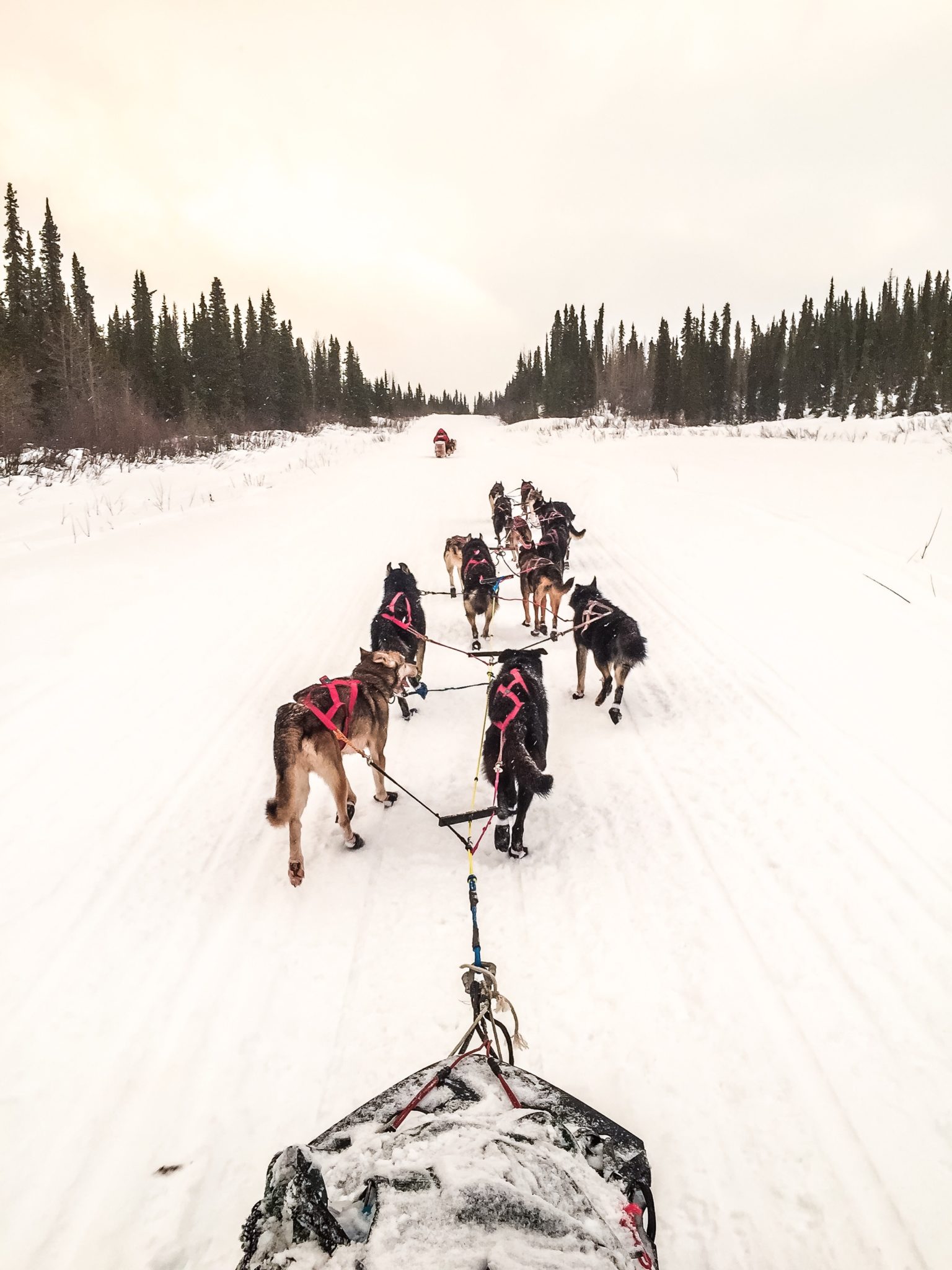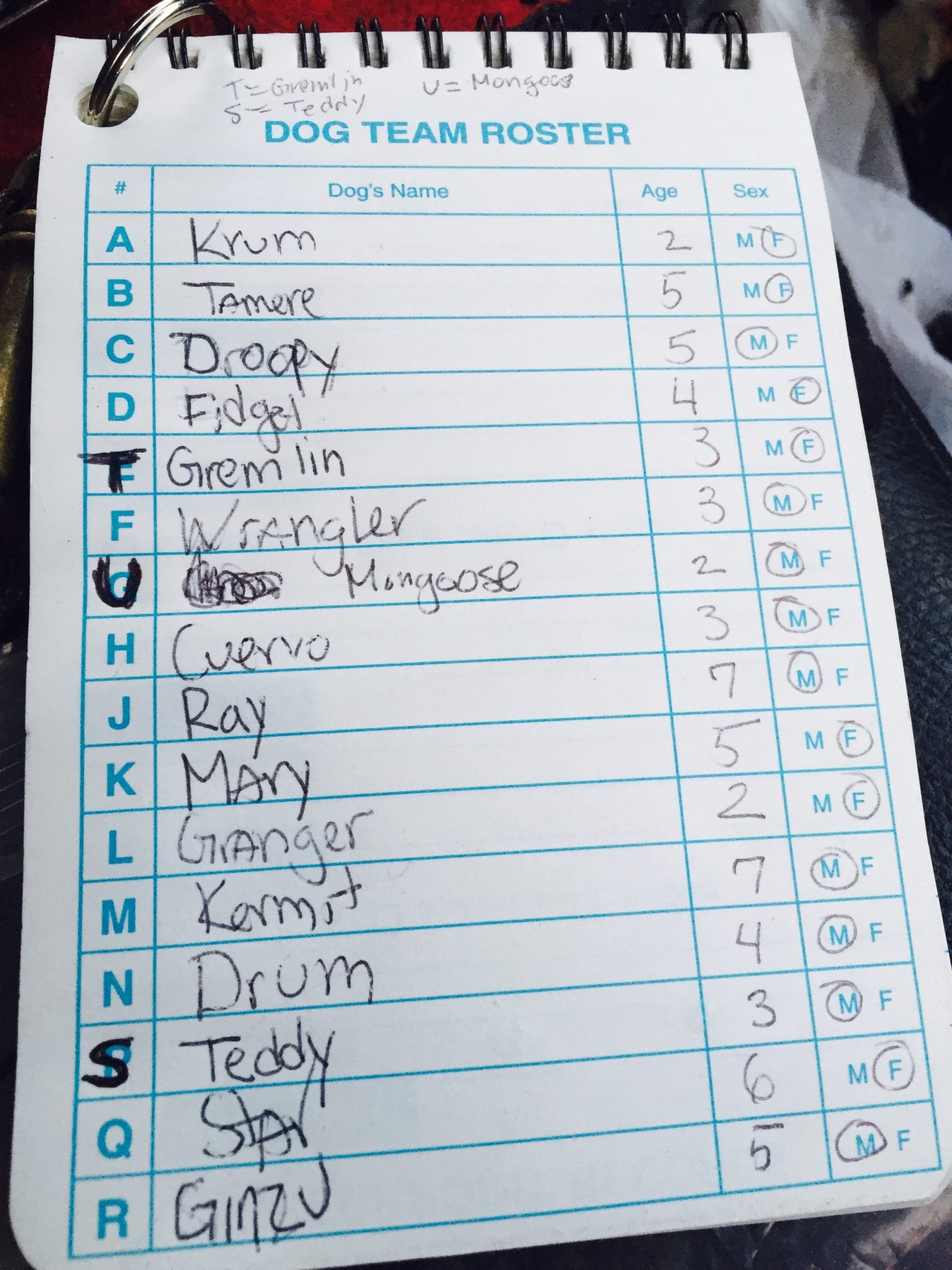
Before I talk about the race itself, I’d like to talk about my dogs that made my race what it was. They defined my Copper Basin race and everything they accomplished was an absolute marvel. We were not the fastest team out there but I guarantee we were one of the youngest of not the youngest. Besides my two 5 year olds, Madori and Bud, the average age of the 10 other dogs on my team was 22 months as in they were not even two years old. In that light, I think that makes everything we did miraculous. Regardless of how we placed, I believed I was driving champions. Now, for some info on my team.
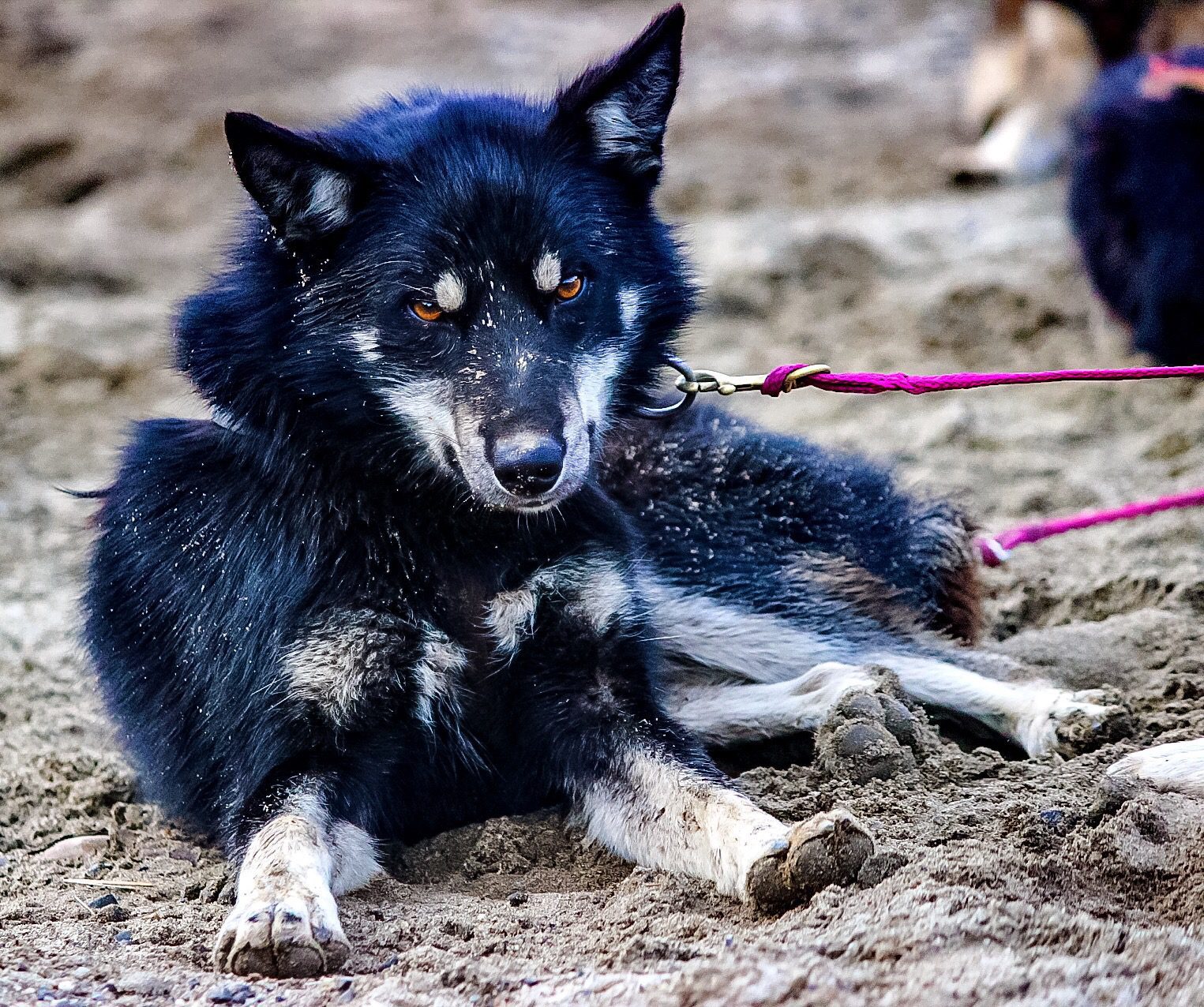
Coda, 2 year old, neutered male If you had told me back in the fall of 2013 that Coda, a hellion of a pup would be leading my team in the Copper Basin 300 I would have laughed in your face unapologetically. You see, Coda was a terrible puppy. He picked fights with everyone: older dogs, younger dogs, dogs twice his size — it didn’t matter. He got his ass kicked on more than one occasion but this didn’t seem to stop him. What finally did? A trip to the vet. In May of 2015, tired of his perpetually grumpy attitude, we had Coda, as we as his brother Bensen, neutered. It completely morphed Coda. Within a few months he had gone from being a hell raiser to one of the sweetest dogs in the kennel. Instead of picking fights and trying to size himself up to other dogs, he spent his time trying to befriend as many people as possible. To be honest, Coda has stepped up more and more as the season progressed. This race, he led approximately 150 miles in lead. He took commands flawlessly and at the one instance of overflow he charged fearlessly through. His performance was more than great — it was outstanding. He was always on his feet ready to go and really thrived up front. I am so happy to see how much this dog has grown and especially love how close he and I have come. In 2013 I was ready to give Coda away I found him so obnoxious but today I don’t think I would trade him for all the money in the world.
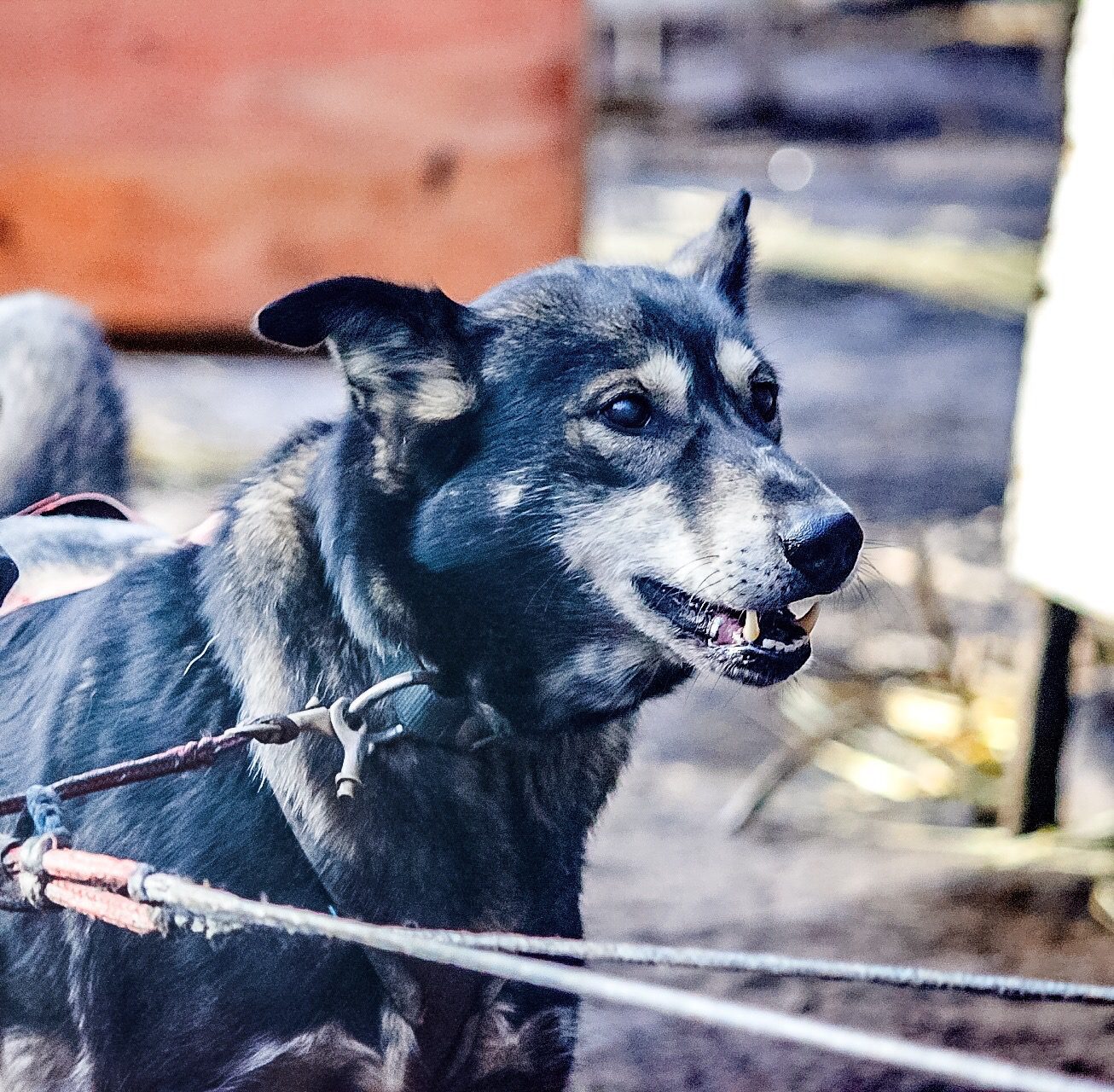
Madori, 5 year old, female Madori was the oldest and most reliable dogs on my team. When the going got tough, Madori got going — she helped rally the team behind her endless enthusiasm. On hills, she pulled unbelievably hard and her work ethic really rubbed off on her teammates. I was really impressed with how hard Midori worked and loved that I knew I always had a reliable leader and her. As my oldest and most experienced dog, I really relied on her. As a dog who is frequently had problems with muscles in her back end she also relied on me. I checkpoints are usually spent 10 to 15 minutes working on her back to make sure to alleviate any stiffness, soreness, or tightness. I was really happy to see Midori finish and to finish so strongly and so smoothly. After the race, I quickly made an appointment with the dog chiropractor because if anybody deserves a professional work down, it was her.
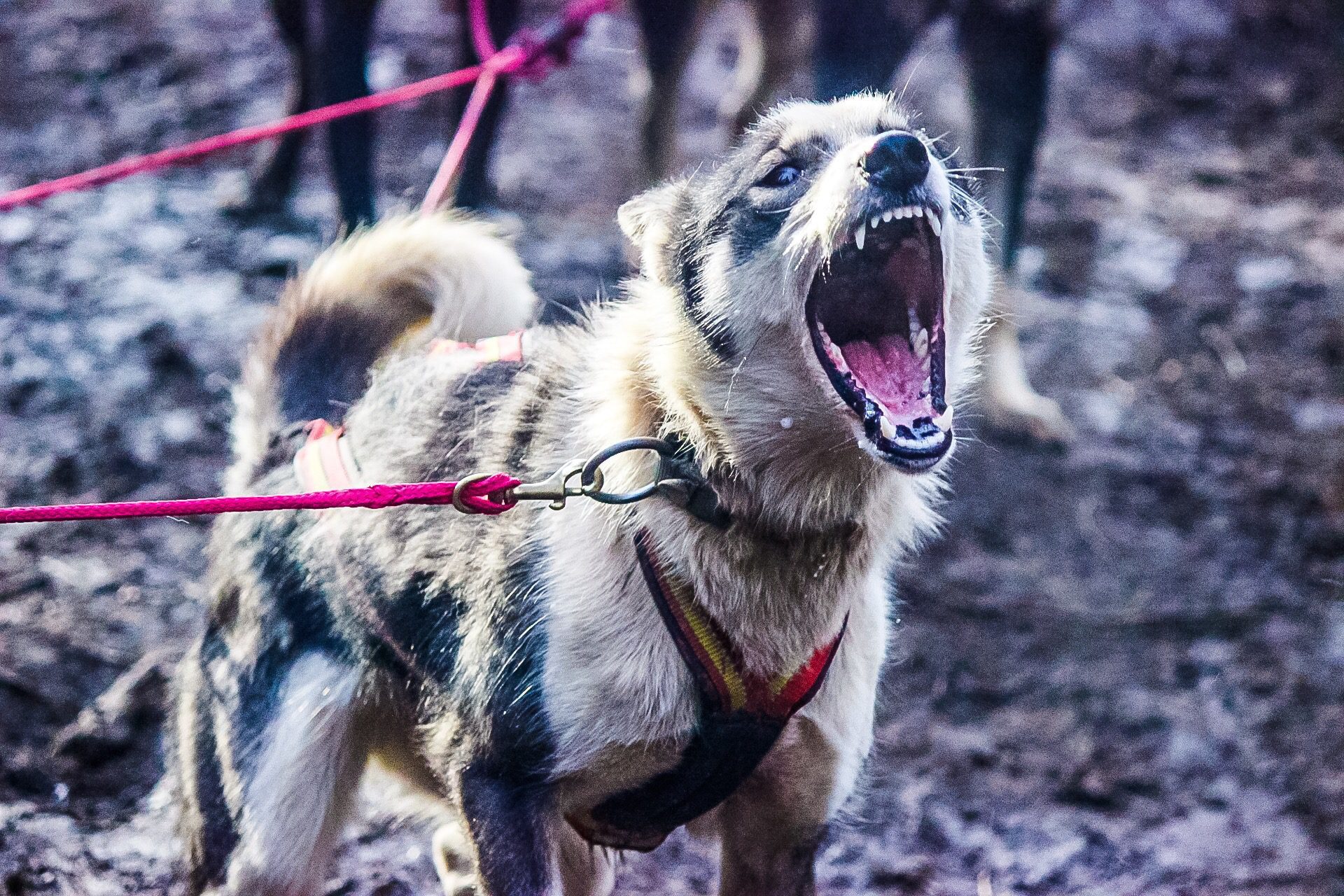
Dolly, 2 years old, female Dolly was one of my most consistent younger dogs. She is an exceptional leader and ran about 50 miles in lead. She ran a lot and lead during the summer because she is so reliable so throughout the season I have really tried to give her a break from being upfront. Whenever I needed her, there she was. Whenever we stopped, and I told the team that it was time to get going, she was one of the loudest most eager dogs. As a smaller female, she doesn’t take much food and so by comparison she was a little bit pickier than the rest of my dogs. But when she needed to eat, she did. I was really impressed with her camping skills and I’m excited about taking her on Iditarod with me this year. She had a really great performance during this race and I was really pleased by how eager, determined, happy, and tough she was throughout this race – which was her first.
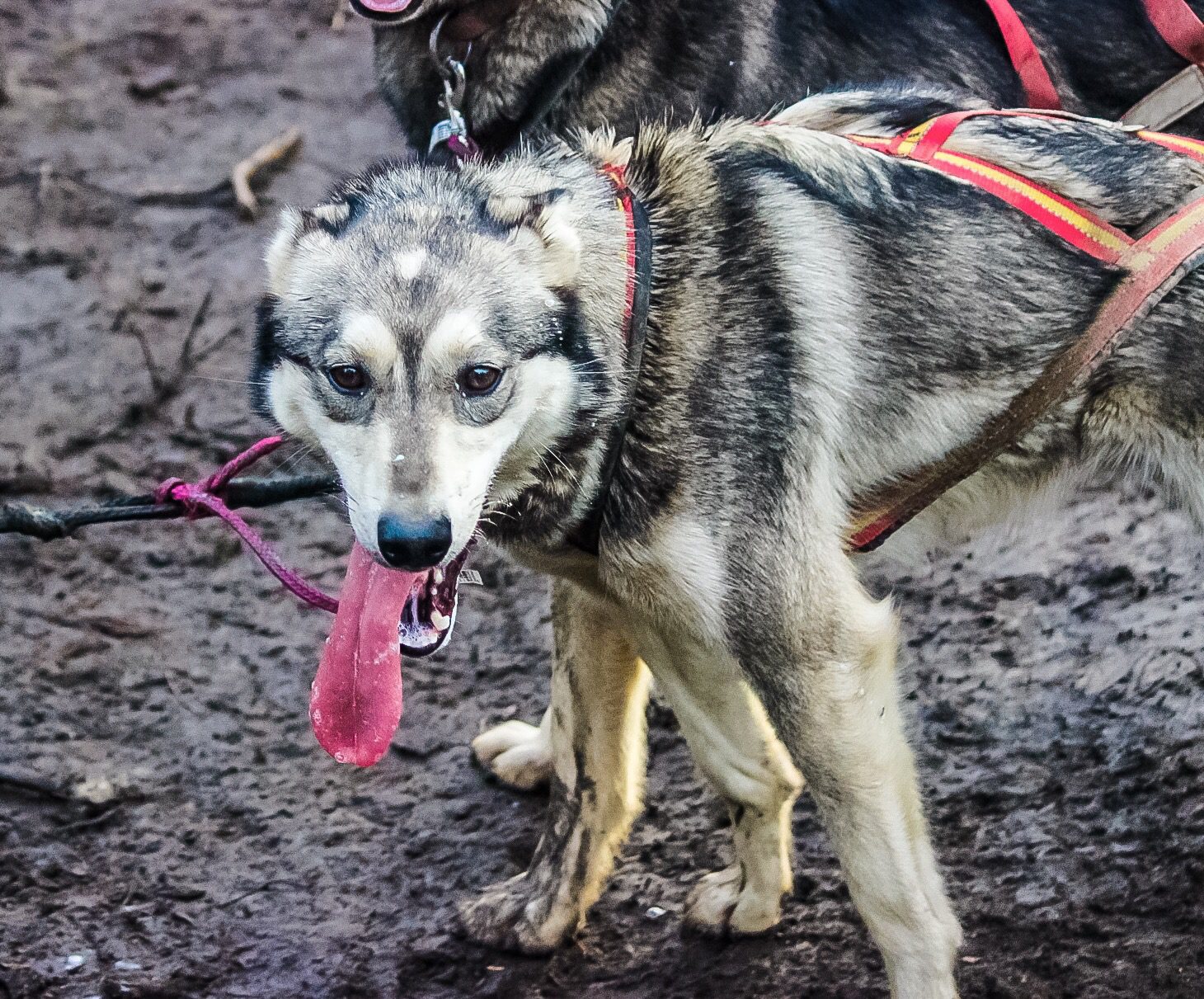
Varden, 2 year old, female I think Varden was one of my biggest surprises on this race. It’s not that she has an impressed me during training, it’s just that she brought so much extra oomph to the team during race mode. I haven’t really seen her ever give this extra sort of effort before. Like her sister Dolly, she was very eager. Without a doubt I would say that she and Midori were kind of the team cheerleaders. Once Varden got barking and jumping the rest of the team had to follow suit. Martin ran in both swing and whell throughout the race and was. Happy to be in either position. She did a really great job eating whatever I put down in front of her. All in all, Varden went from being a dog I really hadn’t considered for my Iditarod team to one that I don’t think I would dare leave behind.
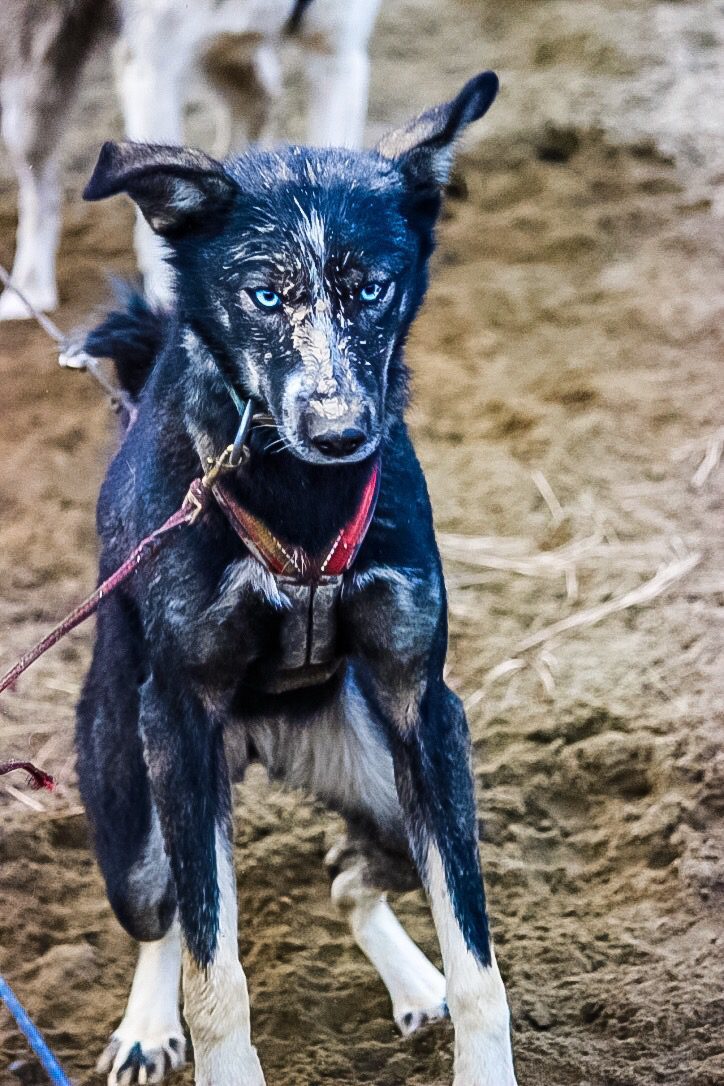
Athena, 15 months, female At the start of the race, I was definitely worried about how young Athena was. There were times when should stop pulling and get distracted. I talked to her and she’d start pulling again. If you’d asked me at the second checkpoint if I thought she’d finish, I would have said probably not. But Athena has a heart of a champion and she definitely proved me wrong. Despite her age, the further we went the stronger that she became. Even though my team got a little sick, and I knew Athena wasn’t feeling the best, she was always eager not only to pull, but also to eat. At the start of the race I had determined that taking such a young dog on Iditarod might be fool hardy. Her performance on this race however, definitely has me reconsidering. I will be keeping a close eye on the stellar little lady in the weeks to come because she shines exceptionally bright on this particular race. I am extremely proud of how well she did on her first race.
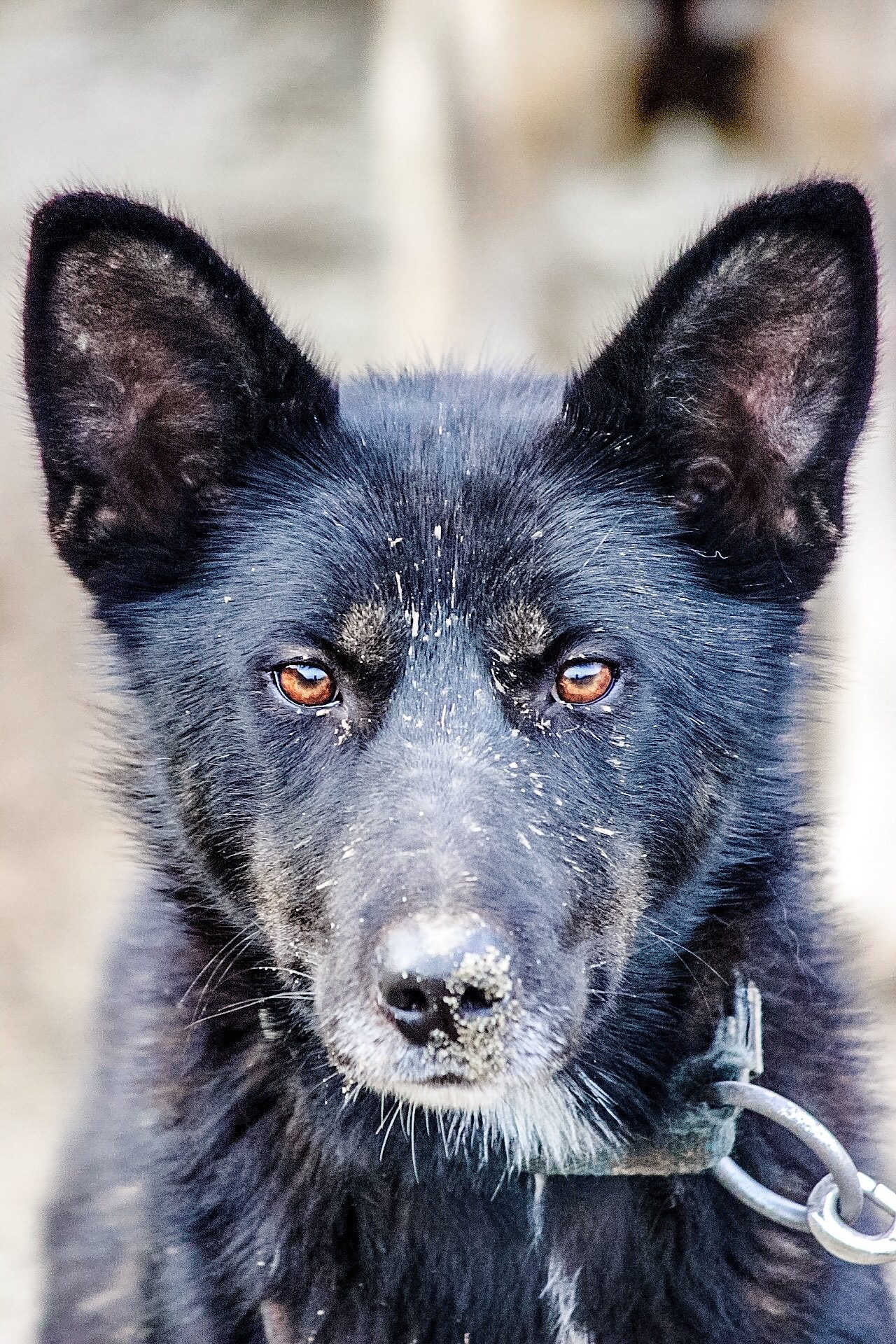
Lena, 1.5 year old, female At the kennel, Linda is one of those small meek females who might be easy to overlook. I had real doubts about taking her but her brothers who I had really consider taking, both came up a little sore when it was time to load dogs so I took Lena. To say she did great would be an understatement. Lena was a dog I never really worried about – which is very surprising considering how young she is. This really surprised me. She had an effortless gate, A voracious appetite, and a love of running that I would’ve expected to see in a much older more experienced dog. Although she definitely got tired a time or two, she always kept working. She had a great attitude and part of the reason I decided to add so much extra rest to my race was because of how hard-working she and my other 15 month old dogs were: I wanted the race to stay fun. Lena is another dog who will definitely be contending for a spot on my Iditarod team. I was really happy with how well she did. She surprised me, and to be honest, I think she surprised herself. Well done, Lena!
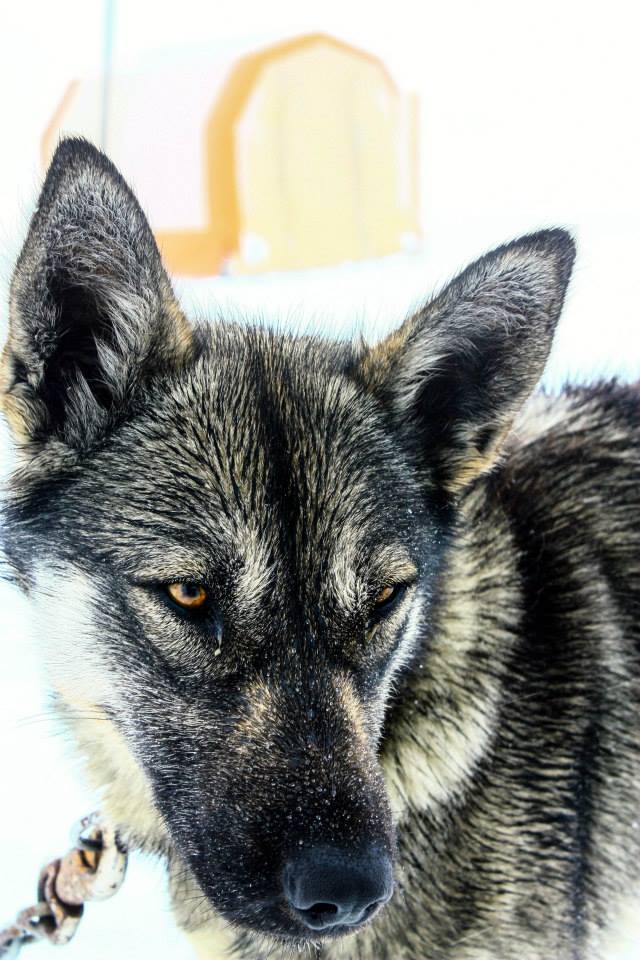
Crazy, 15 months, female I was really on the fence with crazy for the early part of fall training. She was kind of a pain in the butt. She frequently got tangled, ended up on the wrong side of the gangline, and loved to lean into her partner – traits that are pretty annoying when you are out on the trail. Midway through the fall however, things seemed to click. Her gate really smooth out and she started pulling harder. When she ended up on the wrong side of the game line, talking to her quickly remedied the situation and she would talk back under. Crazy did not feel well on this race. She ended up pretty dehydrated coming into the second checkpoint. The vet said I should probably drop her but given that I was taking a six hour layover I delayed the decision. I got three solid waterings into her. By the time we we’re ready to go, she was much more hydrated and the vet said that they thought she could make the 40 mile run without difficulty. She worked her butt off. Although Quiet and meek, crazies power could really be felt throughout the team. I was really happy with how well she ate and how hard she worked. The vets were really impressed with how she bounced back and gave me some pretty big compliments on my vet care – stuff that is always really nice to hear. Crazy did well. At times I considered putting her in lead, but never did. I will probably be going to work with her upfront in the next few weeks as another potential leader for when I’m out on the trail. She had a very strong performance and I was really happy with how she did. 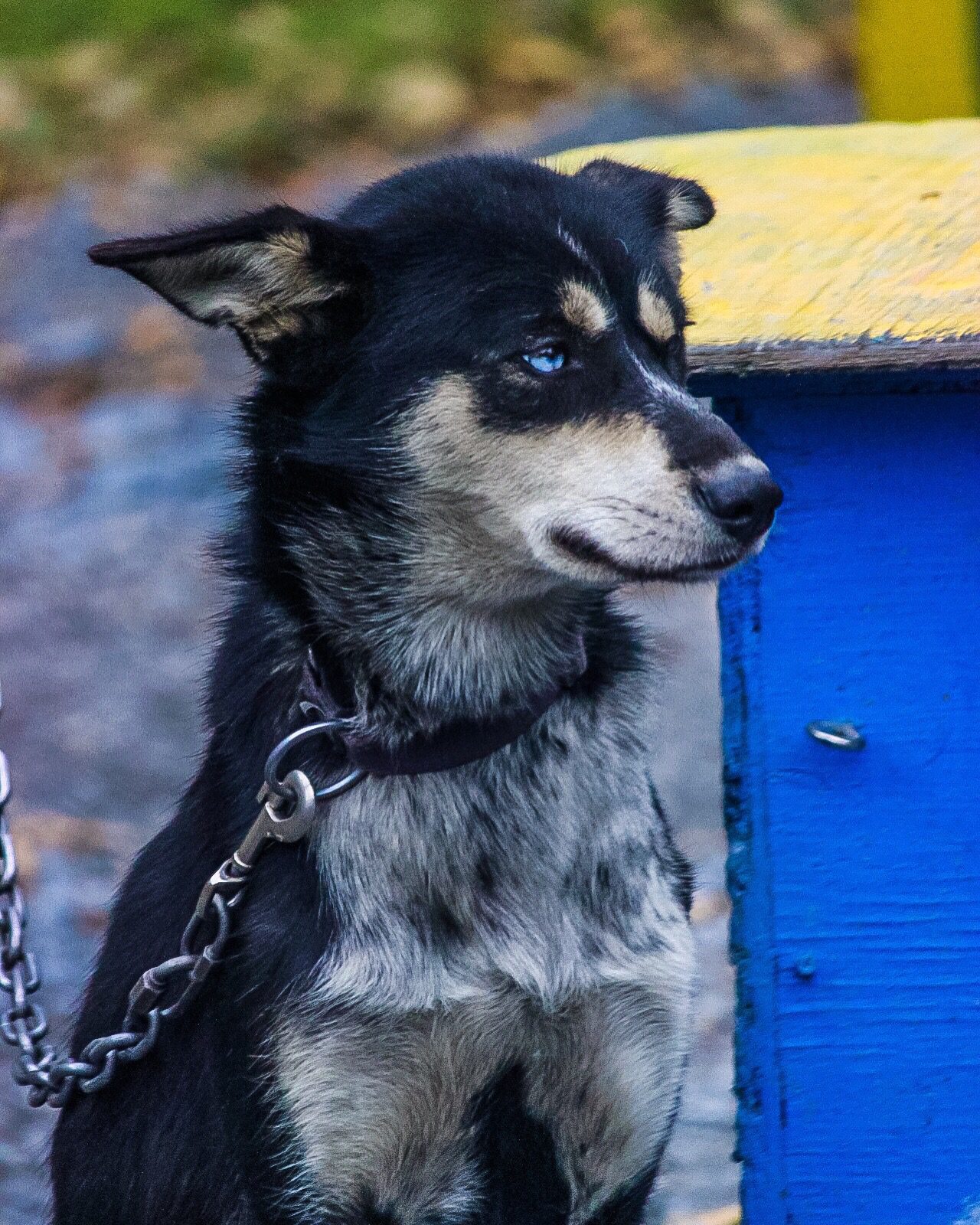 Hoover, 2 years old, female Gosh. Hoover had a great performance. But man, was she annoying. Hoover seemed to get tangled or wrap herself up at any available opportunity. I frequently had to stop because somehow she would manage to get her legs through her partners harness, or wrapped around the neckline, or who knows what else. I’ve never seen a more awkward dog. Despite that, she was extraordinarily hard working. During the toughest runs she ran and swing right behind the leaders and help the team Summit the big hills that we had to climb. She was definitely the strength of the team, especially once I dropped Bud. All in all I was really happy with her performance, but in the coming weeks we are definitely going to have to work on her ability to stay detangled because it is going to be a long 1000 miles to Nome if she keeps getting herself wrapped up.
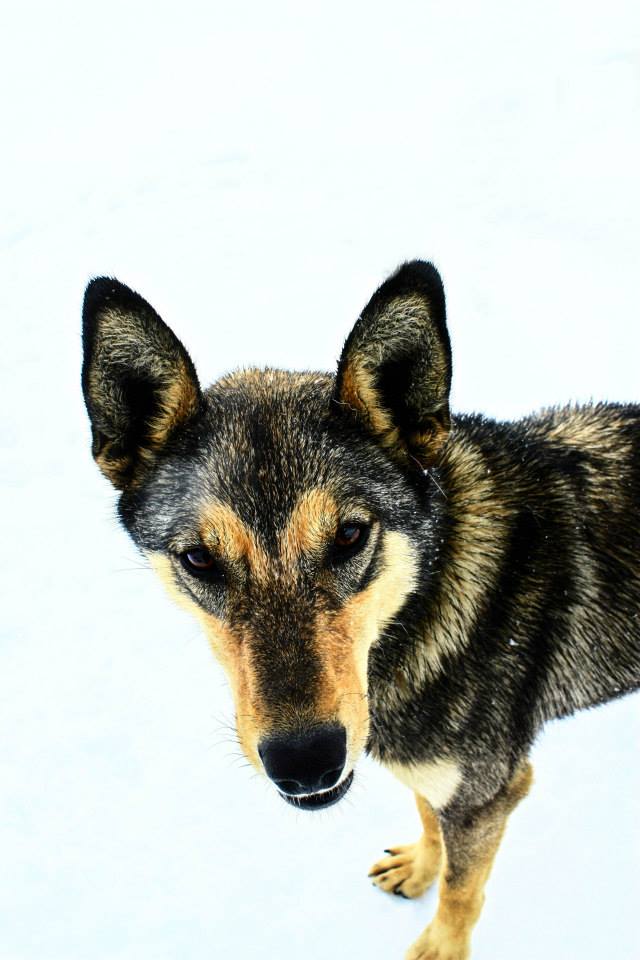
Penny I was surprised by Penny. She started off strong and ran in lead and did very well upfront running for about 150 miles as a leader with Madori. I put her in wheel when she wasn’t upfront and for the most part I was really pleased with how she did. She had a very smooth gait. Or energy level, more than any other dog and my team, really seemed to wax and wane. I haven’t really been able to determine why that was, if it’s just because she’s young and this was her first real race experience. Unlike the rest of the dogs in our kennel, she ran a lot less this summer because she ended up needing stitches in one of her legs after somehow managing to cut her wrist badly open. I honestly don’t know if this it was a contributing factor to her fatigue or not but every other dog was consistently run throughout the summer. Despite feeling tired, Penny was always willing to get up and run. She always held her tight tug and ate well for the most part. At home, she’s generally one of the loudest most eager dogs I have. It was surprising to me that on this particular race, she was fairly quiet. She ate OK but not as well as she normally does at home. I’m going to watch her carefully in the weeks to come she had been a real sure but for my Iditarod team but I will be monitoring her closely to see how she recovers, how she eats, and how she performs on the rest of the races we have slated for the season. 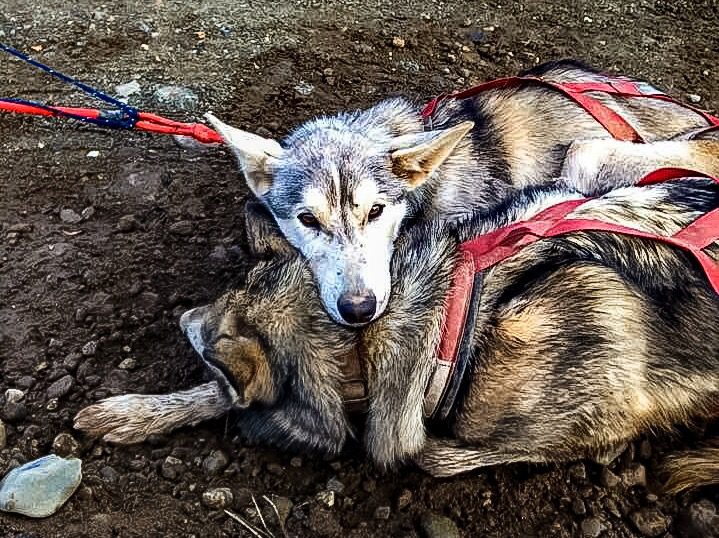 Pippa, 15 months, female The smallest dog on my team, Pippa was one of the dogs I was most eager to see finish. Unfortunately, due to a wrist injury, I ended up having to drop her at the last checkpoint. She was a huge part of the reason we traveled a little slower. This was her first season training and her very first race, like many of my dogs, and I wanted it to be a very positive experience. She did have quite the miles that from the other dogs and my team did so like Penny, she got a little tired at times. It was a fantastic eater and did really well running in wheel. I think her age, and her maturity of sort of knocked her out of contention for my Iditarod team though if I do end up taking her I won’t be disappointed. She is a fun, Peppy little dog to have around and always seems to make me laugh. Last year, she spent the first 10 weeks of her life living inside she was the only dog in her litter. Despite not finishing, I was really proud of Pippa and how hard she worked.
 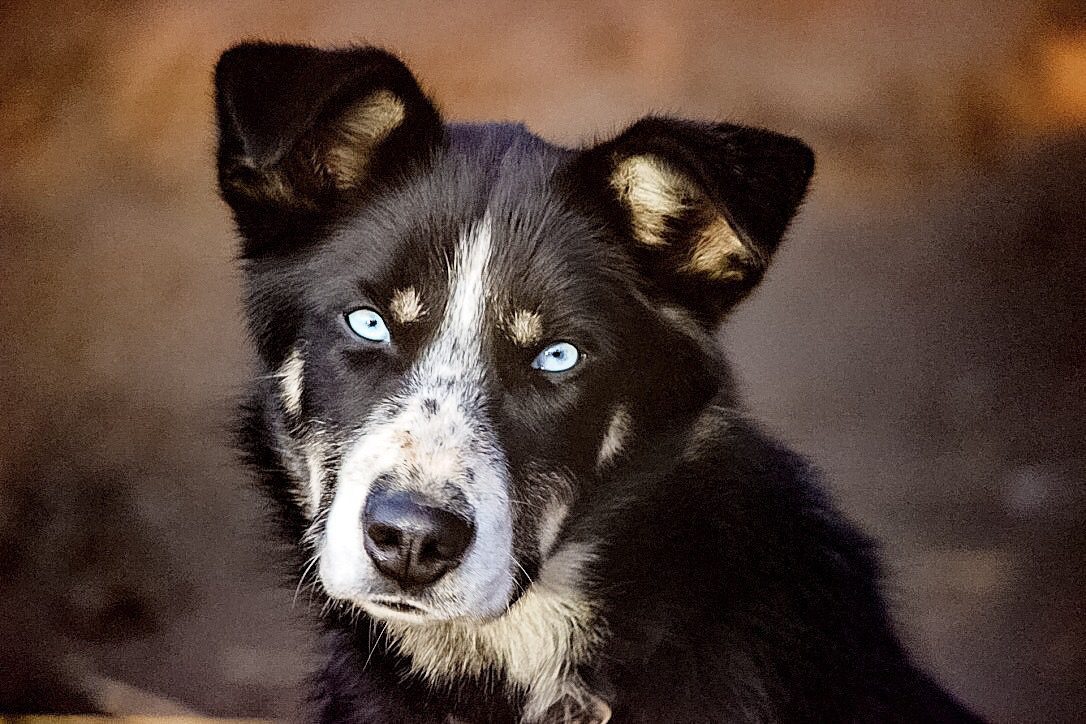 Check, 15 months, male Check was one of those dogs I thought for sure would finish. His body, however, had other plans. Check ended up getting pretty sick and had a lot of diarrhea – enough that he wasn’t really able to maintain a good level of hydration and I dropped him out of an over abundance of caution. I think he’s going to make my Iditarod team regardless so I didn’t want to push him and force him into having a bad racing experience. For their first race, it’s always very important that the dogs have fun and come off of it feeling good. While Check was in the team,he had a strong drive and really helped propel the team up the big hills. He’s a fun dog to watch because of his smooth trot. I expect some really big things out of him in the years to come. He made it about 150 miles into the race and I was happy with that. I was really excited about his great attitude and his willingness to get up and go. If it had been up to him, he would’ve stayed on the team. But that is why, we as mushers, are in charge and not the dogs.
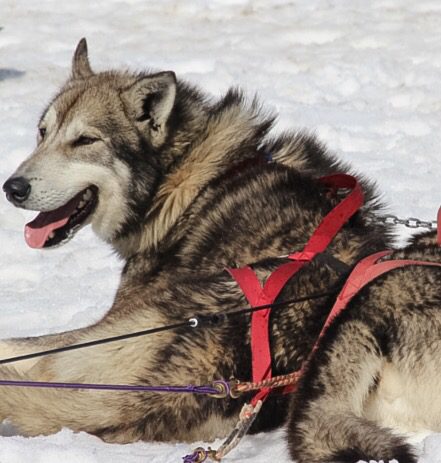
Bud, 5 years old, male But is known at our kennel as the tour dog. He is one of the strongest pulling, hardest working, best eating dogs in our entire kennel. The problem is, but doesn’t have a lazy bone and him and, unfortunately to really succeed as a distance dog, he needs to work a little less hard. But had a phenomenal race despite not finishing yet again. On the truly vertical pitches going over top dome, Bud was the reason we made it up at all. That dog, knows how to work. In the summer, we joke that you don’t need any dog and your team but Bud because he can pull an 800 pound cart and 9 people by himself. Once again, blood work himself too hard and ended up with a slight shoulder injury. I am hoping we can sort Bud out and figure out a way so that he can become a true race dog because he really adds a lot to the team. He has a flawless gate, a great appetite, and a fun happy-go-lucky attitude. Even though you didn’t finish Bud, I really appreciate your hard work. I’m not sure we would’ve made it to the summit if we hadn’t had you working so damn hard. In review. This team finished in 37th place with a total time of 57 hours and 7 minutes. Given their age and inexperience, we think this was very successful. In the following posts, we will write a recap on Justin and Wyatt’s team. I am also working on a blog post about the race itself, not just the dogs!
If you are able, please consider donating to my Iditarod fundraiser: www.crowdrise.com/sarahstokeys2016idt/fundraiser/sarahstokey