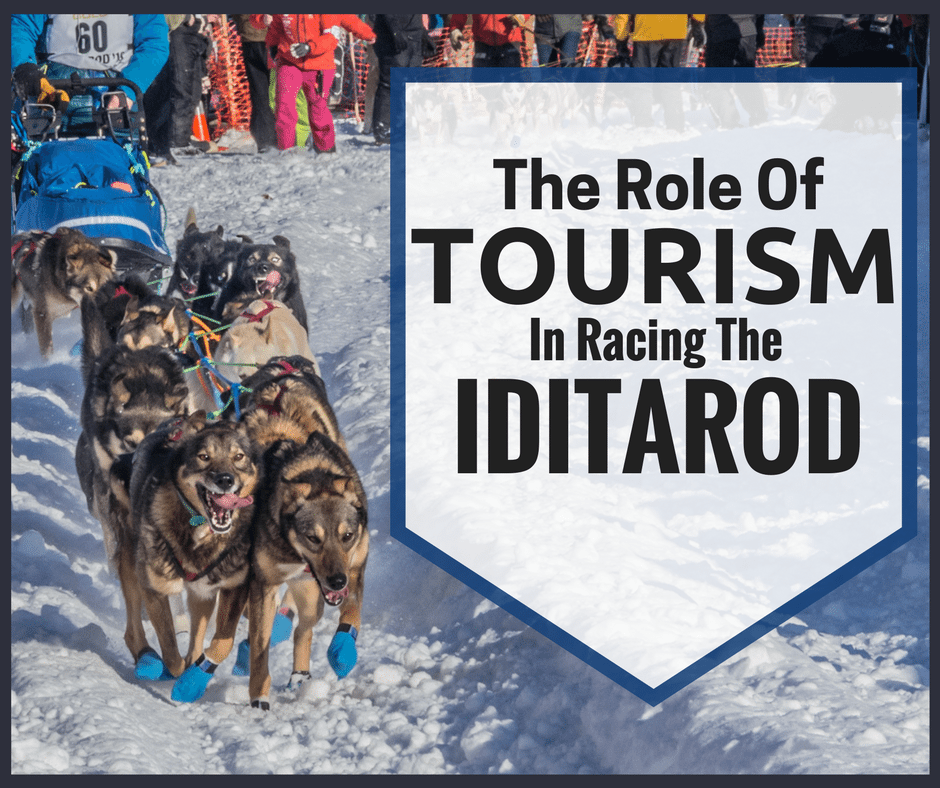
Each March, teams of sled dogs and mushers set out across Alaska on one of the most demanding races in the world. Over the course of roughly 1,000 miles, they travel frozen rivers, mountain passes, tundra, and sea ice on their way to the finish line in Nome.
The race is called the Iditarod Trail Sled Dog Race, and for more than fifty years it has captured the imagination of people around the world.
But while many people have heard of the Iditarod, far fewer understand how the race actually works. How far do teams travel each day? How do mushers care for their dogs along the trail? And what does it really take to finish one of the most challenging races on Earth?
At Turning Heads Kennel, the Iditarod isn’t just something we follow — it’s part of our lives. Between our kennel and the mushers we’ve supported, 17 Iditarod teams have run from Turning Heads Kennel. My partner Travis has competed in the race 12 times, I’ve completed two Iditarods myself, and we’ve helped several other mushers reach the finish line in Nome.
That experience gives us a close view of the race from the inside: the preparation, the strategy, and the deep partnership between mushers and their dogs.
In this guide, we’ll walk through everything you need to know about the Iditarod — from the route and checkpoints to the strategy that helps teams succeed.
What is the Iditarod Sled Dog Race?
The Iditarod is a 1,000-mile sled dog race across Alaska, run each March from Anchorage to Nome. While often described as a race, it is better understood as an endurance expedition—one that tests long-term decision-making, dog care, and the strength of the partnership between musher and team.
Teams travel through remote terrain where weather, trail conditions, and fatigue all have to be managed over time. Success is not determined by speed alone, but by how well a musher manages energy, rest, and the health of their dogs over the course of the race.
Today, the Iditarod stands as both a competitive event and a cultural tradition, rooted in Alaska’s history of dog-powered travel.
Why the Iditarod Matters (Even If You’re Not Racing It)
For most people, the Iditarod isn’t something they’ll ever race—but understanding it changes how you experience dog sledding in Alaska.
What you see in a short tour or a kennel visit is shaped by the same principles that define the race: breeding, training, teamwork, and care. The Iditarod is simply the most visible expression of a much deeper system that exists year-round.
When you understand that, dog sledding stops feeling like a novelty—and starts to feel like a living, working tradition.
Iditarod Race Overview: Key Insights and Details
The Origins of the Iditarod: Preserving the Legacy of Sled Dogs
More Than the 1925 Serum Run
The Iditarod is often associated with the 1925 Serum Run—also known as the “Great Race of Mercy”—but the connection is often misunderstood.
In January of 1925, the town of Nome faced a diphtheria outbreak with limited medical supplies and no way to receive help by air due to extreme weather. In response, a relay of dog sled teams was organized to transport lifesaving serum nearly 700 miles from Nenana to Nome.
Over the course of just five and a half days, more than 20 mushers and their teams carried the serum across some of the harshest terrain and conditions Alaska could offer. The final leg into Nome was led by Gunnar Kaasen and his lead dog Balto, whose name would later become widely recognized. Other teams—most notably Leonhard Seppala and his lead dog Togo—covered some of the most difficult and dangerous portions of the route.
The Serum Run Connection—What It Actually Means
The Serum Run remains one of the most powerful examples of what dog teams were capable of—not just in terms of endurance, but in their role as a lifeline for remote communities.
But while the Iditarod passes through portions of that historic trail and draws inspiration from that era, it was not created specifically to recreate or commemorate the Serum Run.
Instead, it was created to preserve the broader tradition of dog mushing itself. The Iditarod ensures that the skills behind that story are still practiced today
A Way of Life at Risk: Dog Sledding on the Decline
In the early 20th century, dog sledding was not a sport—it was transportation. It connected communities, delivered mail and supplies, and allowed people to move across vast stretches of Alaska that were otherwise inaccessible.
But as airplanes and snowmachines became more common, that way of life began to fade.
By the 1960s and early 1970s, there was a growing concern that sled dogs—and the knowledge required to work with them—could be lost. What had once been essential was becoming obsolete.
The question wasn’t just how to remember dog mushing: it was how to keep it alive.
The Vision to Preserve It
The Iditarod Trail Sled Dog Race was created as a response to that moment.
Founders like Joe Redington Sr., Dorothy “Dolly” Medley, and Dan Seavey Sr. shared a common goal: to ensure that dog mushing remained a living tradition, not just a historical footnote.
They didn’t just want to tell stories about the past—they wanted to create something that required the same skills, the same partnership, and the same resilience that had always defined travel by dog team in Alaska.
The race became that vehicle.
The First Iditarod and What It Represented
The inaugural Iditarod was run in 1973—but at the time, it wasn’t entirely clear what the race would become, or even if it was truly possible in its modern form.
Organizers and mushers were attempting something that hadn’t been done in decades: traveling the length of the historic Iditarod Trail with dog teams, across remote terrain that had largely fallen out of regular use. There were real questions about logistics, trail conditions, and whether teams could successfully complete the route as envisioned.
What emerged was something far more significant than a simple race.
The first winner, Dick Wilmarth, completed the course in just over 20 days—a stark contrast to the 8–10 day finishes we see today. That time difference reflects not just changes in speed, but the evolution of the sport itself: improved training, nutrition, equipment, and a deeper understanding of how to manage a team over long distances.
From the beginning, the Iditarod was more than a competition. It was a statement—that dog sledding still had a place in Alaska, and that the knowledge, discipline, and connection between musher and dog team still mattered.
It also reconnected the modern world to the historic Iditarod Trail, a route that had once been a vital corridor for travel and communication across the state.
Why the Iditarod Endures
What the founders created wasn’t just a race—it was a way to keep dog mushing in practice.
The same decisions still matter. How you manage a team. How you read conditions. When you push and when you don’t.
Every year, teams train and travel using those same fundamentals. The environment hasn’t changed, and neither has what it demands from the dogs or the musher.
That’s what gives the Iditarod its meaning. It’s not about looking back—it’s about continuing a sacred tradition and honoring the relationship between a musher and their team.
Strip everything else away, and it’s still the same equation: a musher, a team of dogs, and the elements. What carries a team through isn’t just conditioning—it’s the trust between them, built over time and tested on the trail.
That’s what gives the Iditarod its meaning—not looking back, but continuing something that still works. On the trail, that shows up in the simplest way: it starts with the team itself.
Understanding an Iditarod Team: The Musher and Their Dogs
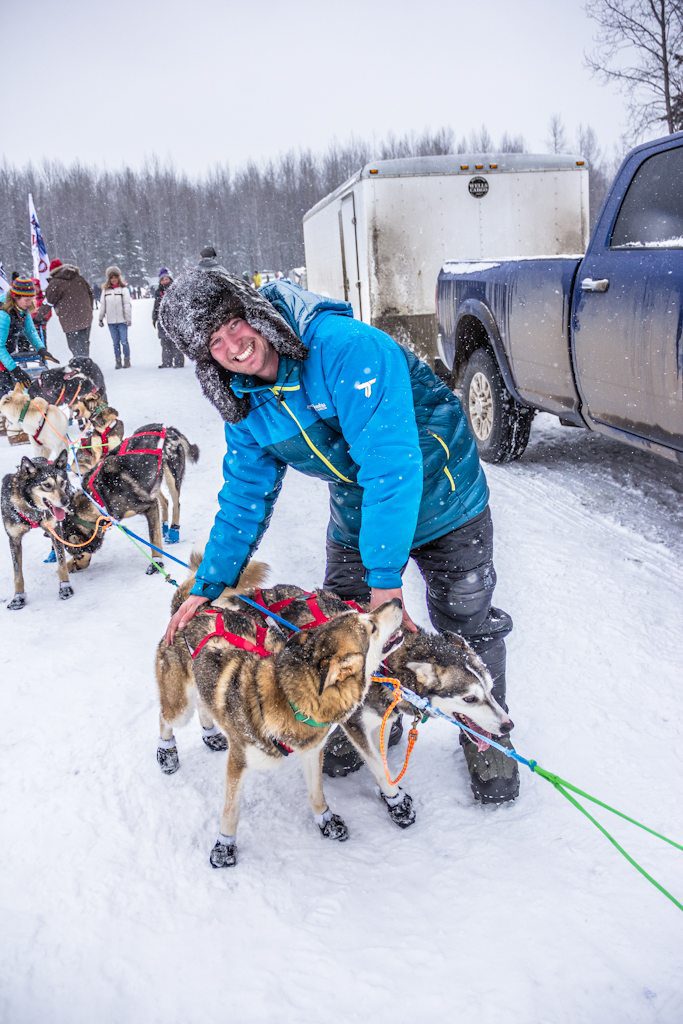
At the center of every Iditarod team is a relationship.
It’s built over time—through daily training, learning how each dog moves, responds, and fits into the team. By the time a team reaches the starting line, that relationship is what everything else depends on.
An Iditarod team is made up of a musher and up to 16 dogs, but it doesn’t function as a single unit in the way people often imagine. Each dog has a role, a personality, and a place within the team.
The musher is responsible for guiding that system—making decisions about pace, rest, and how the team is managed over the course of the race. But they’re not simply “in control.” The team only works if the dogs are engaged, responsive, and working together.
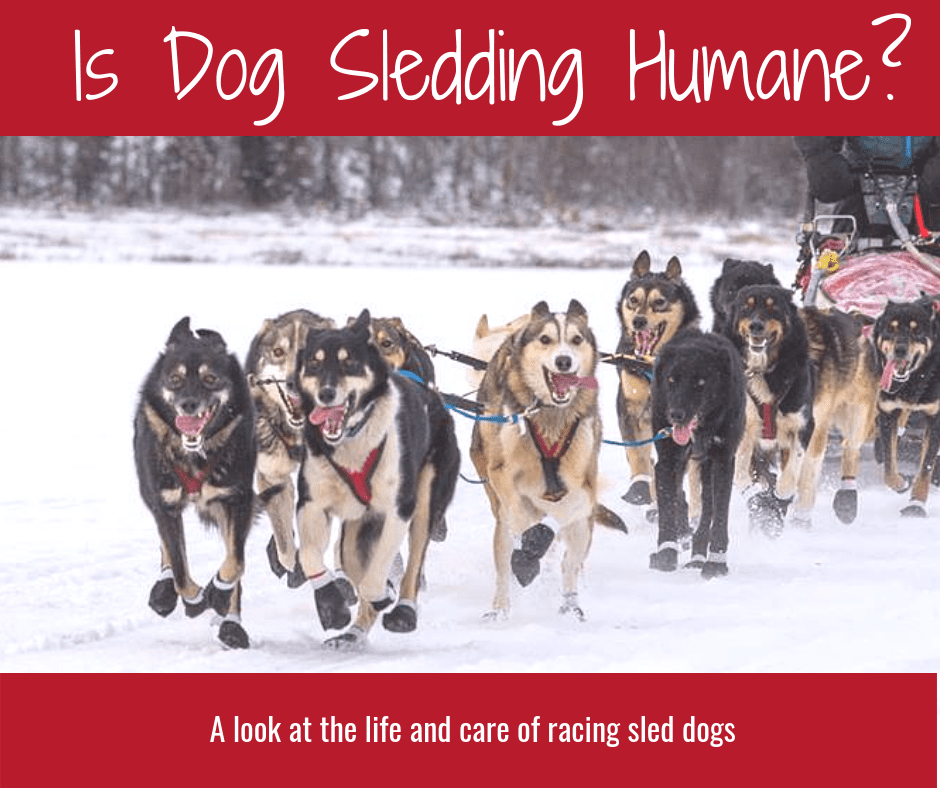
Most Iditarod dogs are Alaskan Huskies, bred specifically for endurance and efficiency. Within the team, different dogs take on different roles. Lead dogs set direction and respond to commands. Swing dogs help guide the team through turns. Team dogs provide the steady pull that keeps the sled moving, and wheel dogs—closest to the sled—handle the heaviest load.
Each position matters, but more importantly, how those dogs work together matters.
The Sled Dogs: The Athletes at the Center of the Race
Mushers may be the visible face of the Iditarod, but the race is carried by the dogs.
Teams start with up to 16 dogs, most of them Alaskan Huskies bred specifically for distance racing. They are not bred for appearance or pedigree. They are bred for the traits that matter on the trail: endurance, efficiency, appetite, toughness, and the mental desire to keep traveling.
A good sled dog wants to run. That drive matters. These dogs are at their best when they are moving down the trail as part of a team.
They also have to eat well.
That is more important than many people realize. Racing dogs burn an enormous amount of energy, and they have to keep replacing it if they are going to stay strong over the course of the race. A dog that won’t eat can become a problem quickly.
And unlike many house dogs, sled dogs often won’t simply eat whatever is put in front of them. Good eaters are valuable, and helping young dogs learn to eat consistently in training and race conditions is part of building a successful team.
But even those traits are not enough on their own.
The team only works when the relationship works. A musher has to understand how each dog travels, eats, recovers, and fits into the group. And the dogs have to trust the person asking them to keep going.
When that comes together, the team moves as one. That’s when you see what these dogs are really capable of.
Iditarod Team Size Changes Throughout the Race
A team can start the Iditarod with up to 16 dogs, but it rarely finishes with that same number.
As the race unfolds, mushers have the option to leave dogs at checkpoints—but once a dog is out, they’re out. There’s no swapping or adding dogs back in.
That decision isn’t taken lightly.
Every dog is evaluated constantly—how they’re moving, how they’re eating, how they recover after a run. Sometimes a dog is dealing with a minor soreness. Sometimes they’re just not traveling the way they should. And sometimes, they’re simply not having their best race.
In those moments, the decision is straightforward: that dog stays.
Leaving a dog at a checkpoint isn’t a failure—it’s part of managing a team over distance. The goal isn’t to get every dog to Nome. The goal is to take care of the team in front of you, day by day, and make decisions that hold up over time.
Veterinarians are present at checkpoints, and dogs that are dropped are cared for and transported safely. But the decision itself comes from the musher, based on what they’re seeing on the trail.
Over the course of the race, the team often gets smaller—but ideally, it gets stronger in how it moves together.
The Musher’s Responsibility: Care and Feeding of the Dog Team
On the Iditarod, there’s no separation between racing and care.
The same person making decisions about pace and movement is also responsible for every aspect of the dogs’ well-being—feeding, watering, resting, and monitoring how each dog is holding up as the race progresses.
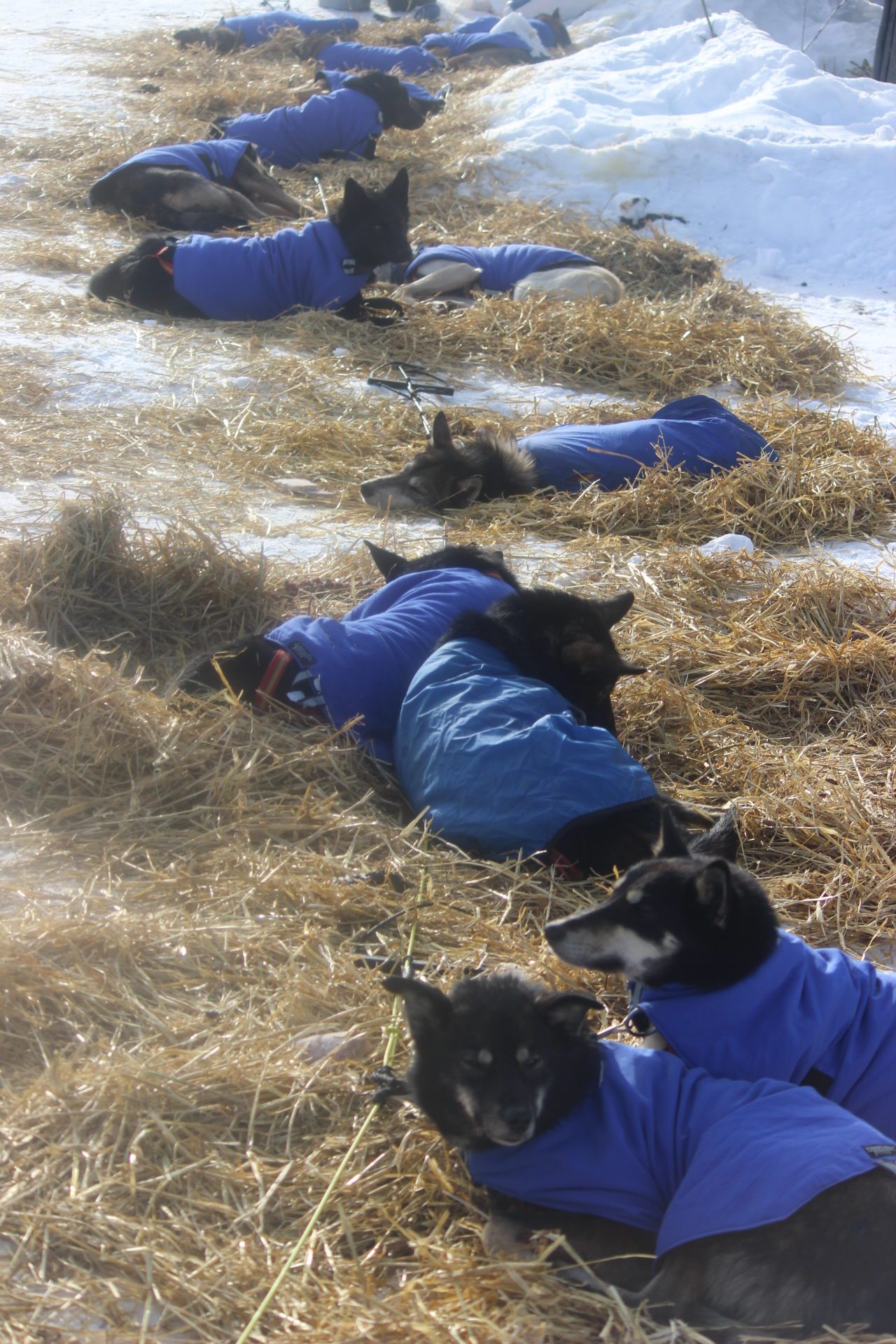
At checkpoints, the work shifts quickly. Dogs are bedded down on straw, and the next priority is getting them fed and hydrated. That often means melting snow for water, preparing meals, and making sure each dog is eating the way they should.
You’re watching everything.
How they stand up after a rest. How they eat. How quickly they settle. Small changes matter, and over the course of the race, those details add up.
There’s no one else managing that for you. Every decision—when to run, when to rest, how long to stay—is tied directly to how the dogs are doing.
That responsibility isn’t separate from the race—it is the race.
When Does the Iditarod Sled Dog Race Take Place?
When Does the Iditarod Sled Dog Race Take Place?
The Iditarod is held each year in early March, with the ceremonial start taking place on the first Saturday of the month.
That timing is intentional. March typically offers the most stable winter conditions across Alaska—enough snow coverage for travel, while still allowing teams to move efficiently over long distances.
How Long Is The Iditarod Sled Dog Race?
The race covers roughly 1,000 miles across Alaska, beginning in Willow and finishing in Nome. The exact distance varies slightly depending on the route used each year and how the trail is put in, but it consistently spans some of the most remote terrain in the state.
Outside of the start, the trail is off the road system. Once teams leave Willow, they travel through a network of remote villages and wilderness, accessible only by air, snowmachine, or dog team.
That remoteness is part of what defines the race. There’s no infrastructure beyond what exists in those communities—no shortcuts, no easy exits—just the trail and the decisions made along it.
How Long Does Racing the Iditarod Take?
Today, most teams finish the race in 8 to 15 days, depending on conditions, strategy, and how the team holds up over time—a significant shift from the 20+ days it took in the early years of the race.
Weather can change quickly, and trail conditions vary from year to year. More than anything, finishing time reflects how well a musher manages their team across the full distance—balancing movement, rest, and recovery.
For many teams, reaching Nome is the goal. Not every musher enters with the expectation of winning, but completing the race requires the same level of care, decision-making, and commitment from start to finish.
The Official vs. Ceremonial Start
The Iditarod Trail Sled Dog Race kicks off with two distinct starts: the ceremonial start and the official start. While both are essential parts of the race, they serve different purposes and are celebrated in unique ways.
The Ceremonial Start: A Celebration of Alaska’s Heritage
The ceremonial start takes place in downtown Anchorage, typically on the first Saturday of March.
It’s a public event—part sendoff, part celebration—where people can see the teams up close before they head out onto the trail. Mushers and dog teams line up through the city streets, are introduced to the crowd, and run a short stretch through Anchorage. It’s not timed, and it doesn’t count toward the race.
For the dogs, it’s a chance to move, take in the noise and energy, and get into that working mindset. For spectators, it’s one of the few places you can stand right next to a team and see how it all comes together. Teams travel approximately 11 miles before this run finishes.
But it’s important to understand what it isn’t. The ceremonial start doesn’t reflect the conditions of the race itself. It’s controlled, accessible, and short. What follows out on the trail is very different.
The Iditarod Official Start in Willow
The official start takes place the following day in Willow, about 70 miles north of Anchorage.
This is where the race actually begins.
Teams leave the starting line in staggered intervals, and once they’re on the trail, everything changes. The crowds fall away, the structure of the ceremonial start disappears, and it becomes about managing the team in real conditions.
From that point on, every decision matters.
Checkpoints Along the Iditarod Trail
Once teams leave Willow, the race unfolds from checkpoint to checkpoint.
Most are located in small, remote villages, while a few are temporary camps set up along the trail. These are the only structured points in the race—where teams stop, rest, and regroup before continuing on.
What Happens at an Iditarod Checkpoint
When a musher arrives at a checkpoint, several things happen in quick succession.
First, the musher must officially check in. Volunteers record the arrival time, which becomes the team’s official checkpoint time.
From there, the musher decides whether they will: stop and rest or continue directly through the checkpoint
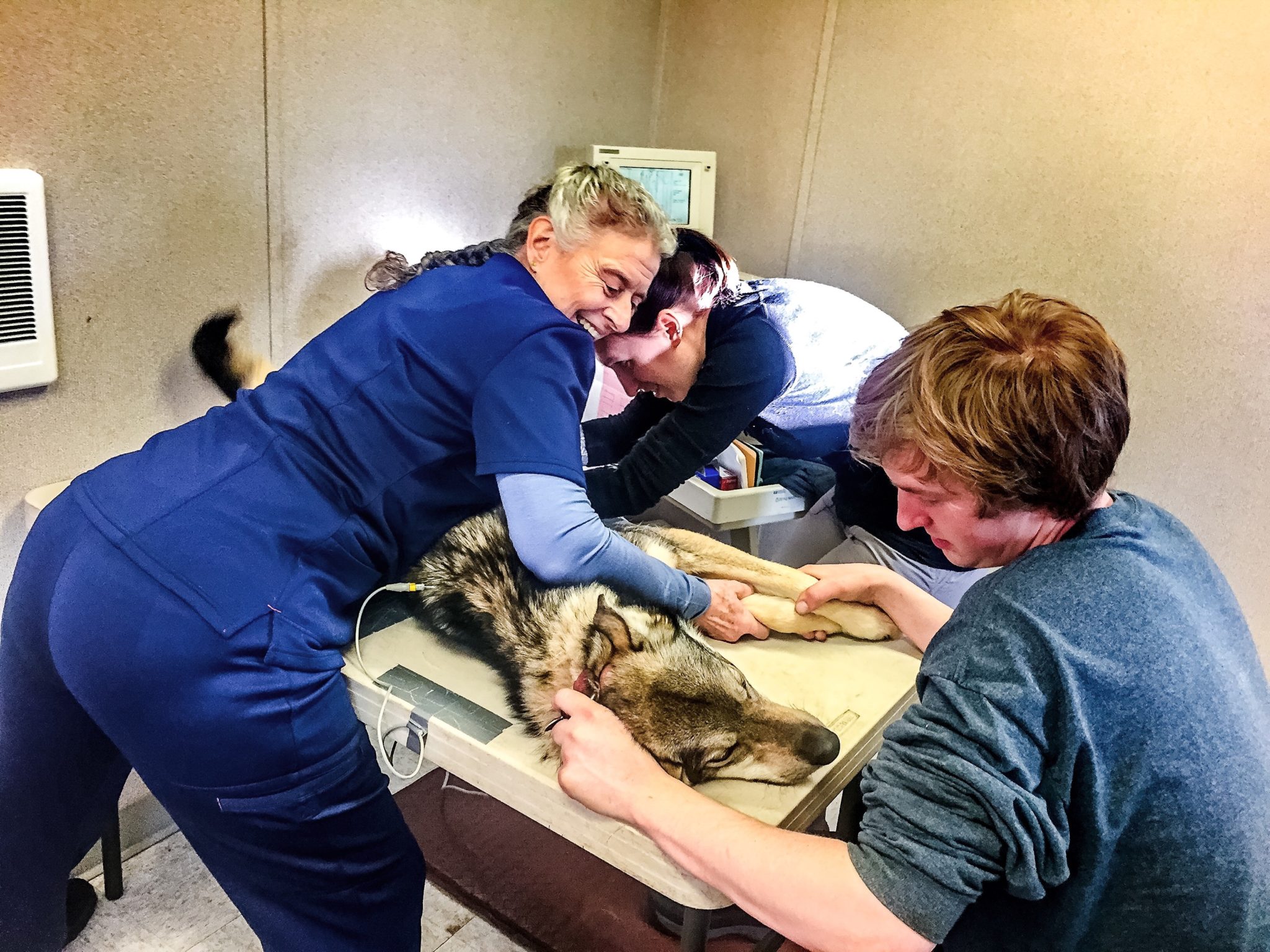
If the musher plans to leave immediately, veterinarians will quickly examine the dogs to ensure they are healthy and fit to continue. Veterinary oversight is a constant throughout the race. In 2026, 45 veterinarians volunteered along the trail, working at checkpoints to monitor dog health and support teams as they move through. Their role is ongoing—they evaluate dogs, track any changes, and help ensure teams are traveling in a way that supports long-term health.
At the same time, the musher collects supplies from their drop bags and loads fresh straw into the sled for bedding on the trail.
If the team is stopping to rest, the process becomes much more involved.
The musher will park the team in a designated area and set snow hooks to secure the sled. Then they begin the series of chores that make up checkpoint life.
One of the first priorities is caring for the dogs.
Mushers spread straw on the ground to create temporary beds for the team, lifting the dogs off the snow and helping them conserve heat. Many mushers also start by offering clear water, since hydration is critical for recovery.
Next comes preparing food.
Water is heated on a stove to create warm meals for the dogs. While the water heats, the musher removes the dogs’ booties, loosens their tuglines so they can relax, and begins preparing the next meal.
Efficiency is important during this time.
Sled dogs generally need about three to four hours of rest to recover from a run. During that same period, the musher must:
- bed the dogs down
- cook food
- feed and water the team
- reorganize gear
- repair equipment
- prepare the next run
- and hopefully eat and sleep themselves
In reality, sleep for mushers often comes in short bursts — sometimes only 15 or 20 minutes before it’s time to get back up and prepare the team to leave. The race is run between checkpoints—but it’s managed within them.
Drop Bags and Race Preparation
Before the race begins, mushers ship their gear and supplies ahead to the checkpoints. Because teams cannot carry everything they need for 1,000 miles, these drop bags allow them to access food, equipment, and other supplies along the route.
In total, many teams ship 1,500 to 2,200 pounds of supplies before the race.
The majority of that weight is dog food.
Sled dogs burn enormous amounts of calories during the race, and keeping them properly fueled is essential for maintaining strength and health across the full distance. Mushers also send additional gear such as:
- booties for the dogs
- extra clothing and equipment
- food for themselves
Even though most mushers enter the race with a general strategy, conditions on the trail can change quickly. Weather, trail conditions, and how the dogs are feeling can all alter a race plan. Because of that, mushers typically send extra supplies to allow for flexibility.
The race is run between checkpoints—but it’s managed within them.
And how those decisions play out depends on where you are on the trail.
The People Behind the Race
One part of the Iditarod that isn’t always visible is how much of the race is supported by volunteers.
Checkpoints are staffed by people who travel into remote communities and stay for days or weeks to help the race run. They record times, assist mushers, support veterinarians, and help keep things moving.
Trail breakers go ahead of the race, putting in the trail and marking the route. Without that work, teams wouldn’t have a path to follow.
Veterinarians, many of whom volunteer their time, monitor the health of the dogs at checkpoints throughout the race.
Most of this happens out of sight.
Once the race begins, mushers and their teams are moving through a system that has already been put in place—one that depends on a large number of people working in the background to make the race possible.
Iditarod Race Routes
Phase One: The Alaska Range and the Early Miles
The first third of the race carries teams through the Alaska Range—one of the most iconic and demanding sections of the trail. This is where the terrain immediately starts asking questions of the team.
This stretch includes features like the Happy River Steps, the Dalzell Gorge, and the Burn.
Leading into this section, much of the trail has been a steady climb. Teams are gradually gaining elevation as they work their way toward the Finger Lake and then Rainy Pass checkpoint, and that effort builds in a way that isn’t always obvious in the moment but shows up later if it’s not managed carefully.
The Happy River Steps are a series of three steep descents found just after leaving the Finger Lake Checkpoint that require careful sled handling and controlled movement so the team doesn’t overrun the sled. It’s less about speed and more about control.
After the Steps, teams continue climbing into Rainy Pass. Teams often will rest here or just outside the checkpoint before dropping into the Dalzell Gorge—a narrow, winding section that carries the trail downhill after that long climb. The Gorge can be unpredictable depending on snow and ice conditions, and there’s very little room for error. It demands focus from both the musher and the team.
The Burn is a section of exposed terrain left from a past wildfire. With fewer trees, it offers little protection from wind and often lacks consistent snow coverage. It’s also not uncommon to encounter herds of bison moving through the area, which adds another layer of unpredictability. This section of the trail can be incredibly cold too.
All of this comes early—and that’s what makes it significant.
This is where the foundation is built. How a team moves through this section—how hard they push, how they recover, and how they come out the other side—has a lasting impact on the rest of the race.
You’re not trying to gain ground here. You’re setting the team up for what’s ahead.
Phase Two: From Ophir to the Yukon — Positioning the Race
The second phase of the race begins in Ophir, where the trail splits to either the northern or southern route. In general, the southern route is often considered more difficult. It receives less traffic. Both routes eventually reconnect at Kaltag, where teams head west toward the Bering Sea coast and the final stretch of trail along the coast to Nome.
Northern Route (even-numbered years)
Cripple → Ruby → Galena → Nulato → Kaltag
Southern Route (odd-numbered years)
Iditarod → Shageluk → Anvik → Grayling → Eagle Island → Kaltag
But this phase of the race, from Ophir onwards marks a demanding stretch of trail and by this point in the race, any early mistakes in how a team was managed begin to show.
Once teams reach the Yukon River, travel often becomes faster and more consistent. These are well-established routes used by local communities, and the trail is typically more packed in than what teams have seen earlier in the race.
This is where teams can move. And because of that, this section becomes about positioning.
Mushers are more aware of where they sit relative to other teams, and there’s a natural tendency to start making moves. But it still requires discipline—pushing too hard here can take more out of a team than it gives back. The biggest strategic decision at this point of the race is where to take their mandatory 8-hour layover which has to be done on one of the Yukon River checkpoints.
For teams looking to compete, they need to be in position to race by Kaltag. Not necessarily leading, but close enough to respond when the race tightens in the final stretch.
Phase Three: The Coast — Where the Race Unfolds
The final phase of the race begins as teams reach Unalakleet and the Bering Sea coast.
The run into Unalakleet is a long stretch—roughly 85 miles out of Kaltag—and it’s not an easy one. Leaving the Yukon River basin, the trail climbs through a series of hills before emerging onto the tundra. That section is known for moguls, and is hard on teams, especially this far into the race.
Once out on the coast, everything opens up.
There’s less protection from terrain, and conditions can change quickly. Wind becomes a constant factor—shaping the trail, reducing visibility, and adding resistance that teams have to push through. Storms can move in fast, and when they do, there’s not much to break them.
Teams also travel stretches of sea ice, where the surface isn’t always consistent. It can shift, drift, or harden depending on conditions, and it requires attention—especially this late in the race.
The trail along the coast can be uneven, wind-affected, and constantly changing. It’s another place where conditions, more than anything else, dictate how the teams move and how they rest.
The hills along the coast are some of the toughest in the race—not because they’re extreme, but because everything starts to add up.
And by this point, everything shows.
How a team was managed early. How they moved through the middle miles. What was conserved—and what wasn’t.
This is where the race unfolds.
Teams that were built carefully continue to move with purpose. Others start to fade. Gaps form, positions change, and what looked close earlier in the race begins to separate.
There aren’t many places left to hide mistakes.
The Final Miles: White Mountain to Nome
Before the final push to Nome, every team is required to take an 8-hour rest at White Mountain. It’s the last reset.
By this point in the race, the field is spread out, and most of the decisions have already been made. The rest at White Mountain gives teams a chance to recover, regroup, and prepare for the final stretch.
From there, it’s roughly 77 miles to Nome. Teams will generally do this final run in a single push.
The terrain is exposed, and conditions along the coast can still shift quickly. Wind becomes a factor again, and sections of the trail—like the Blowhole—are known for it. The Blowhole has ended more than one race—and in some years, it’s changed how the finish plays out. Known for strong winds, it can slow teams down or make forward progress difficult.
It’s a good example of why energy management matters. When you hit a section like that late in the race, you don’t get to adjust much—you rely on what the team has left.
There’s a clarity to this final run. There’s no more strategy shifts, no more positioning. Just a musher, a team of dogs, and the trail into Nome, trying to get there as fast as possible.
Some teams arrive with momentum. Others are grinding through those last miles. But every team that makes it this far has managed something over distance—through terrain, conditions, and the accumulation of decisions made along the way.
Crossing the finish line isn’t a single moment—it’s the result of everything that came before it.
Adapting to Conditions: How the Race Changes
One of the realities of the Iditarod is that the trail isn’t fixed.
Each year, the route is shaped by conditions—snowpack, weather patterns, and, at times, broader external factors. While the race follows a general corridor from Willow to Nome, adjustments are sometimes necessary to ensure teams can travel safely and fairly.
In recent years, those adjustments have become more visible.
In 2021, the race was run as the Gold Loop—starting near Willow, traveling out to the Iditarod checkpoint, and looping back. That change was driven by the need to limit interaction with communities during COVID, but it also showed how adaptable the race can be when required.
More recently, low snow conditions have forced changes to the start location. In 2025, the race moved to Fairbanks, adding distance and altering how teams approached the early miles. It wasn’t the first time that decision had been made, and it likely won’t be the last.
These changes don’t alter what the race is—but they do change how it’s run.
The terrain, the sequence of checkpoints, and the way teams manage their dogs can all shift depending on the route. And that’s part of the challenge.
The Iditarod isn’t a fixed course—it’s a moving one, shaped each year by the conditions in front of it.
What Most People Don’t Realize About the First 300 Miles
One of the biggest misconceptions about the Iditarod is that it’s won at the end of the race. In reality, it’s often shaped in the first 300 miles.
Early decisions determine how a team will hold up later—how muscles recover, how dogs metabolize energy, and how fatigue accumulates. Teams that push too hard early may look strong on paper, but can pay for it days later.
Experienced mushers are often thinking far beyond the moment—they’re building toward the second half of the race from the very beginning.
Mandatory Rest in the Iditarod: A Key to Strategy and Dog Care
The Iditarod isn’t just about how fast you move—it’s about how you use your rest.
Built into the race are mandatory layovers that every team must take. These aren’t optional, and they play a central role in how a musher plans the race.
Rather than slowing teams down, these rests create structure. Mushers have to decide where to take them and how to use them in a way that supports their team over the full distance.
Because of that, rest isn’t separate from strategy—it is strategy.
The 24-Hour Layover
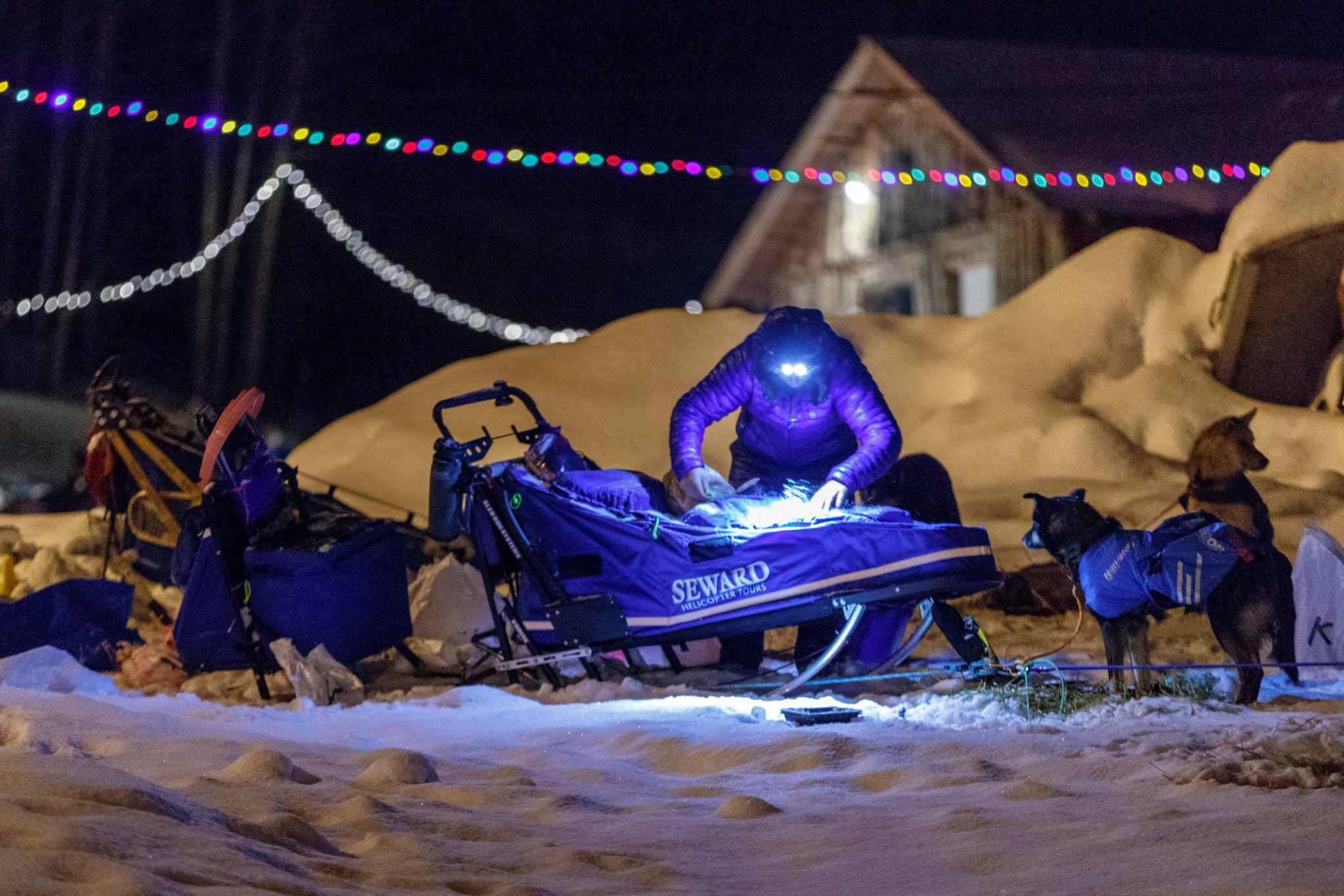
Every team is required to take a 24-hour layover—but where you take it is one of the most important decisions in the race.
It’s the longest reset a team will get, and it comes at a point where the early miles have started to add up. Dogs are recovering from the Alaska Range, and how they come out of this rest can shape the rest of the race.
Most teams take their 24 somewhere between McGrath, Takotna, and Ophir—roughly 300 to 400 miles in.
The choice isn’t random.
Each location comes with tradeoffs—trail conditions ahead, where other teams are positioned, and how your team is traveling at that moment. Some teams take it earlier to protect what they have. Others push a bit farther before stopping, depending on how the race is unfolding for them.
You’re not just choosing where to rest—you’re choosing how to set up the second half of your race.
And how a team looks coming out of the 24 often tells you a lot about how they’ll hold up later.
The Yukon River 8-Hour Rest
In addition to the 24-hour layover, every team must take an 8-hour rest at a checkpoint along the Yukon River. On paper, it’s a required stop. In practice, it’s a strategic one.
By the time teams reach the Yukon, they’ve moved through the Alaska Range and into the middle phase of the race. Travel along the river is often faster and more consistent, and this is where teams begin to settle into a rhythm—or start to feel the effects of earlier decisions.
Where and when you take this 8 matters.
Some mushers use it to break up the Yukon and maintain a steady flow. Others time it around other teams, using it to manage position without overextending their own. It’s one of the few places in the race where you can influence both recovery and race dynamics at the same time.
The rest itself is straightforward—dogs are fed, watered, and given time to recover—but the timing around it is what makes the difference.
On the northern route, this rest can be taken in Ruby, Galena, Nulato, or Kaltag. On the southern route, it can be taken in Shageluk, Anvik, Grayling, Eagle Island, or Kaltag.
You’re not just stopping because you have to—you’re deciding how that stop fits into the way your team is moving.
8-Hour Layover at White Mountain
The final mandatory rest is an 8-hour layover at White Mountain, the last checkpoint before Nome.
By the time teams reach White Mountain, most of the race has already been decided. The miles have added up, and what’s left in the team is largely a result of how they’ve been managed up to that point.
This rest isn’t about resetting the race—it’s about preparing for the final run.
Dogs are fed, watered, and given a chance to recover, but the focus is simple: how does the team look right now, and what are they capable of over the last miles into Nome?
There’s not much left to adjust.
It’s more about making sure the team leaves in a condition that allows them to finish strong and be prepared for the final stretch of trail.
Rest and Strategy
The Core of the Race: Energy Management
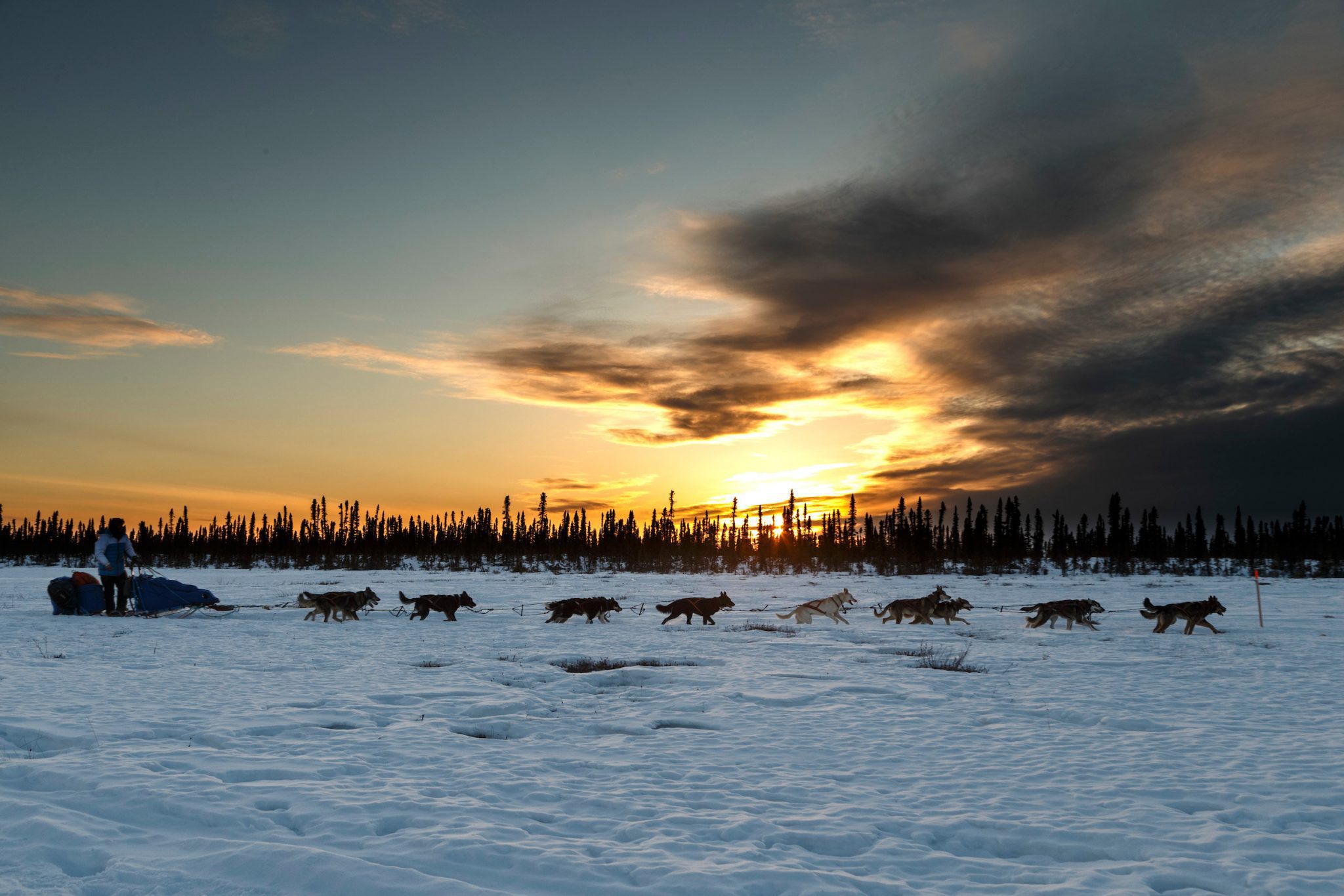
In the Iditarod, race strategy is less about speed and more about how a musher manages energy over time. Every decision—when to run, when to rest, how far to go—affects how a team will perform not just in the next stretch, but hundreds of miles later.
At its core, the race is an exercise in energy management. Mushers are constantly balancing output and recovery, working to keep their dogs moving efficiently while preserving the strength needed to finish the race.
Differing Approaches to Running a Team
One of the fundamental strategic choices is how a team structures its runs. Some mushers opt for longer, slower runs, keeping their teams at a sustainable pace. These dogs are working within an aerobic range, which allows them to travel further while requiring less recovery time between efforts. The result is often a more consistent rhythm and less cumulative fatigue over the course of the race.
Others choose shorter, faster runs—moving quickly between checkpoints but placing higher physical demand on their teams. While this can create the appearance of speed early on, it often requires longer or more frequent rest to allow for recovery. Over time, that added recovery can offset the gains made during faster runs.
Why Early Miles Matter More Than They Seem
What looks faster in the moment is not always faster over 1,000 miles.
Early decisions in the race shape how a team will hold up later—how muscles recover, how efficiently dogs metabolize energy, and how fatigue accumulates. Teams that push too hard in the early stages may appear strong, but often pay for it days later.
Experienced mushers are rarely thinking about just the next checkpoint—they are building toward the second half of the race from the very beginning.
Every musher knows: you don’t arrive in Nome by chance. You get there through careful planning that starts in the first miles of the race.
The Shift Toward Speed
Over the past decade, there has been a noticeable shift toward faster, shorter run strategies as competition has intensified. Mushers are increasingly willing to trade efficiency for speed in an effort to gain an early advantage.
But the underlying tradeoff remains the same: increased speed comes at the cost of increased recovery demand.
How We Think About the Iditarod: The Three Phases of Racing
One of the ways we think about the Iditarod is by breaking it into three distinct phases. While the race is continuous, each section demands a different mindset and strategy.
The First 300 Miles: Building the Foundation
The early part of the race is not about getting ahead—it’s about setting your team up to finish strong.
This is where mushers establish rhythm, protect muscle condition, and begin managing energy reserves. Decisions made here have a compounding effect later in the race. Pushing too hard in the first 300 miles can create fatigue that doesn’t fully show up until days later.
Teams that look conservative early are often building something—preserving strength and setting a foundation they can rely on when the race becomes more demanding.
The Middle Miles: Positioning and Patience
The middle portion of the race is where teams begin to separate, but it’s rarely where the race is decided.
This is often a phase of jockeying for position—mushers are paying attention to where they sit relative to others, but still making disciplined decisions. It can be tempting to respond to what other teams are doing, but experienced mushers stay focused on their own plan.
This section requires patience. The goal is to stay competitive without compromising the long-term condition of the team.
The Final 300 Miles: Where the Race Unfolds
The last 300 miles is where the race truly reveals itself.
By this point, the cumulative impact of every decision—pace, rest, feeding, timing—becomes visible. Teams that were managed well continue to move with strength and consistency, while others begin to fade.
This is where positioning matters most, but it’s also where it becomes clear that the outcome was shaped long before this stage. The teams that are able to push here are the ones that protected their dogs earlier in the race.
Why This Framework Matters
Breaking the race into phases highlights a core truth: The Iditarod is not won in a single moment—it’s built over time through a series of disciplined decisions.
What Makes a Successful Iditarod Team
Finishing the Iditarod requires an extraordinary level of preparation. This is an endurance event, and success begins long before the race starts.
Training: Building a Team Over Time
Most teams start building mileage in the fall, gradually increasing distance and intensity as conditions allow. Some kennels begin conditioning even earlier, using a combination of running, strength, and mental exposure to prepare dogs for the demands of the trail.
At our kennel, the dogs run consistently throughout the winter as part of our sled dog operations. That consistency matters. Fitness isn’t something you build all at once—it’s something you maintain over time.
At our kennel, the dogs run regularly throughout the winter as part of our sled dog operations, which helps maintain their fitness year-round.
Dog Care: The Foundation of Performance
Training volume alone isn’t enough. Successful teams are built on good dog care.
That means paying attention to the details every day—how dogs are eating, how they’re moving, how they recover after runs. Small changes matter. A dog that’s slightly off in training is often telling you something, and the ability to recognize and respond to that early can make a difference weeks later on the trail.
The same mindset carries into the race.
A musher is constantly evaluating the team—adjusting pace, rest, and expectations based on what the dogs are showing in that moment. There’s no separation between performance and care. How you take care of the dogs is how you stay competitive.
The Musher: Decision-Making Under Pressure
There’s also a mental side to it.
For the musher, the race requires steady decision-making in conditions that are often uncomfortable and unpredictable. Fatigue builds, weather changes, and things don’t always go as planned.
The job is to stay consistent—to make clear decisions without overreacting to any one moment.
The Support System Behind the Team
No team gets to the starting line or to Nome alone. Behind every Iditarod team is a support system—handlers, training partners, and people who help prepare dogs, manage logistics, and keep things moving in the months leading up to the race. That work doesn’t show up on the trail, but it’s part of what makes the race possible.
Why the Iditarod Still Matters
More than fifty years after the first race, the Iditarod continues to hold a special place in Alaska. Part of that comes from the culture surrounding the race. The event relies heavily on volunteers and small communities along the trail that welcome mushers each year.
Another reason is that the race represents something timeless.
Few events in the world place people so directly in the wilderness for such an extended period of time. Mushers and their dogs must navigate storms, difficult terrain, and the unpredictability of nature.
In many ways, the real opponent in the race isn’t another musher — it’s the environment itself.
But perhaps the most meaningful part of the Iditarod is the relationship between the musher and their dogs.
This race is built on trust, loyalty, and shared effort. The dogs rely on the musher for leadership and care, while the musher relies on the dogs for strength and endurance.
At the end of the day, the race isn’t about fame or fortune. Even though there is prize money, most teams invest far more into their kennels than they will ever win in the race.
People compete in the Iditarod because they love the dogs, the lifestyle, and the challenge of traveling across Alaska by dog team.
Can You Experience Dog Sledding Without Racing the Iditarod?
You don’t have to race the Iditarod to experience what makes it meaningful. The scale is different, but the foundation is the same.
The dogs you meet on a tour are bred and trained with the same priorities—endurance, teamwork, and a willingness to run. The way they’re cared for, the way teams are built, and the way they work together all come from the same system that shows up in the race.
What you see in a short experience is just a smaller window into it.
You’ll notice how the dogs respond when they’re harnessed, how they settle into movement, and how the team works together once they’re on the trail. Those behaviors don’t come from one day—they’re built over time through training, consistency, and care.
For most people, that’s where the connection happens.
The Iditarod is one expression of dog sledding, but it’s not the only way to understand it. Spending time around the dogs—seeing how they move, how they’re handled, and how they’re cared for—gives you a much clearer sense of what the sport actually is.
And in many ways, that’s where it starts.
Turning Heads Kennel and the Iditarod
At Turning Heads Kennel, the Iditarod has become a meaningful part of our story. Between our kennel and the mushers we’ve supported, 17 Iditarod teams have run from Turning Heads Kennel. My partner Travis has competed in 12 Iditarods, I’ve completed two myself, and we’ve helped several other mushers reach the finish line in Nome.
We’ve also worked with young mushers entering the Junior Iditarod, helping support the next generation of the sport. For us, being part of this race is about more than competition. It’s about helping people pursue a dream, developing strong dog teams, and sharing the incredible experience of traveling Alaska’s winter trails behind a team of sled dogs.
And for those who follow the race from afar, we hope understanding how it works gives a deeper appreciation for what these teams accomplish.